The Beauty of Curiosity Driven Open Worlds

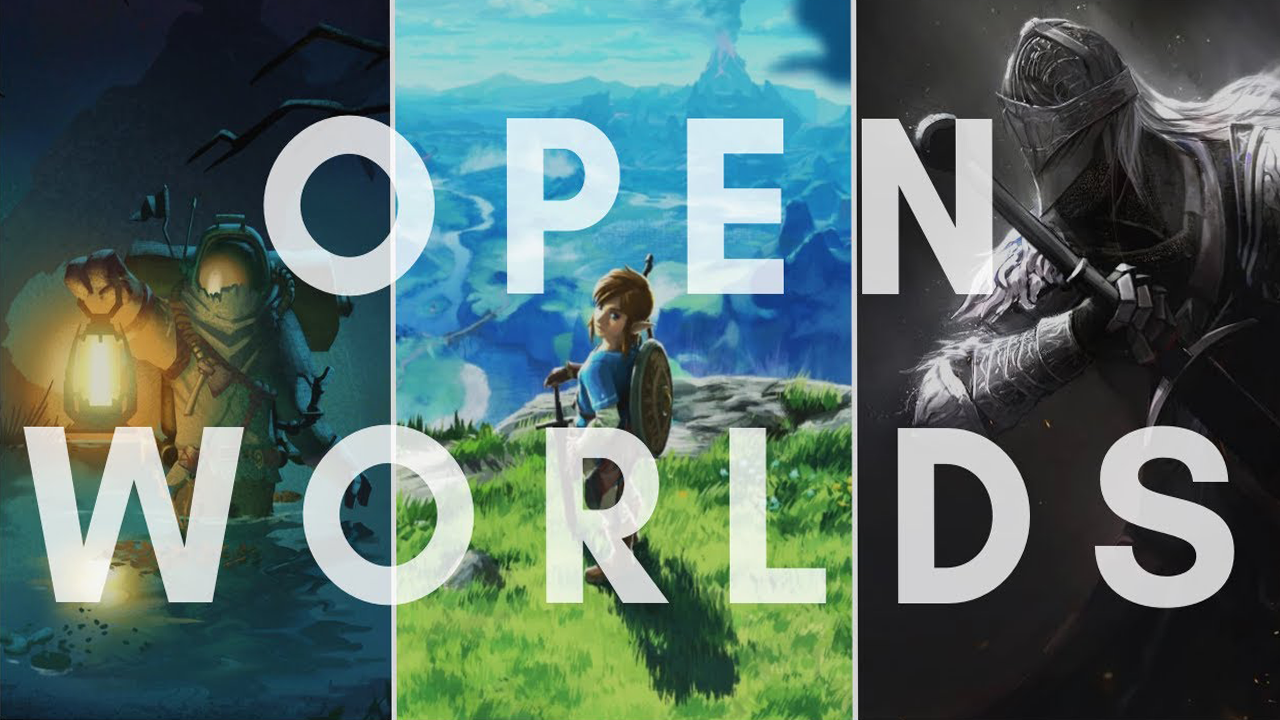
Table of Contents
Overview
Exploration and discovery have always fascinated us. That lingering curiosity— that sense of mystery we feel as we observe our surroundings—pushes us to wonder what lies over the next hill or beyond the sky. Over the past decade, the video game landscape has seen a dramatic rise in open-world games, to the point of exhaustion and burnout for many players. Yet, despite the oversaturation, a few experiences still manage to capture the thrill of exploration and the joy of organic discovery.
Today, I want to share three such experiences: games that rekindle our sense of wonder, curiosity, and spontaneous adventure. These games embody the feeling of stepping into the unknown.
Curiosity & Discovery: A Brief Overview

Whenever open-world games come to mind, I think of curiosity—the desire to explore every corner of the map, climb every mountain, and traverse every cave. There are three forms of curiosity relevant to games depending on what the player is trying to accomplish:
- Specific curiosity – the desire for a particular piece of information.
- Epistemic curiosity – the drive to obtain new knowledge or intellectual stimulation.
- Perceptual curiosity – curiosity triggered by visual or sensory stimuli.
In this video, we’ll be focusing on perceptual curiosity, which I believe is the soul of any beloved open-world game. In 1954, Daniel Berlyne conducted research on exploratory behaviour and conceptualised curiosity as a reaction to stimuli—especially novelty, complexity, and uncertainty. He believed these feelings motivated people to explore and acquire new information.
As humans, we’re wired for discovery. Curiosity sets us in motion; discovery is the reward. This feedback loop keeps us moving, learning, evolving.
Open-World Games
Most of us have played an open-world game at some point, especially in recent generations where nearly every major studio attempted to shoehorn open-world design into their titles. One of the most notable contributors is Ubisoft, whose formula—popularised by Far Cry 3—became synonymous with modern open-world design. Even if you haven’t played a Ubisoft game, you’ve probably experienced this formula: climbing towers to reveal markers, clearing enemy outposts, completing filler activities that artificially expand the map.
This formula isn’t inherently bad; it can be enjoyable. However, such highly guided experiences often strip away the mystery and sense of discovery. Map markers remove the intimacy between player and world. It’s difficult to feel surprised by a hidden temple when a UI icon has already told you it exists. At some point, you realise you’re following a GPS, not traversing an unknown world.
Developers take many different approaches to open-world design. While it’s rare, there are games that create a sense of visual and sensory exploration capable of eliciting that raw thrill we instinctively seek. Today, I’ll be discussing three pivotal titles that embody this spirit.
Open-world Design Side Note
The modern open world game operate on two levels the macro-levels and the micro-levels.
The Macro-levels are usually large regions that make up the locations of the map these can be cities or landmarks and from a design perspective segments the areas into levels.
The Micro-levels being the more densely populated points of interest littered throughout a region

The Legend of Zelda: Breath of the Wild
The Legend of Zelda’s Influence
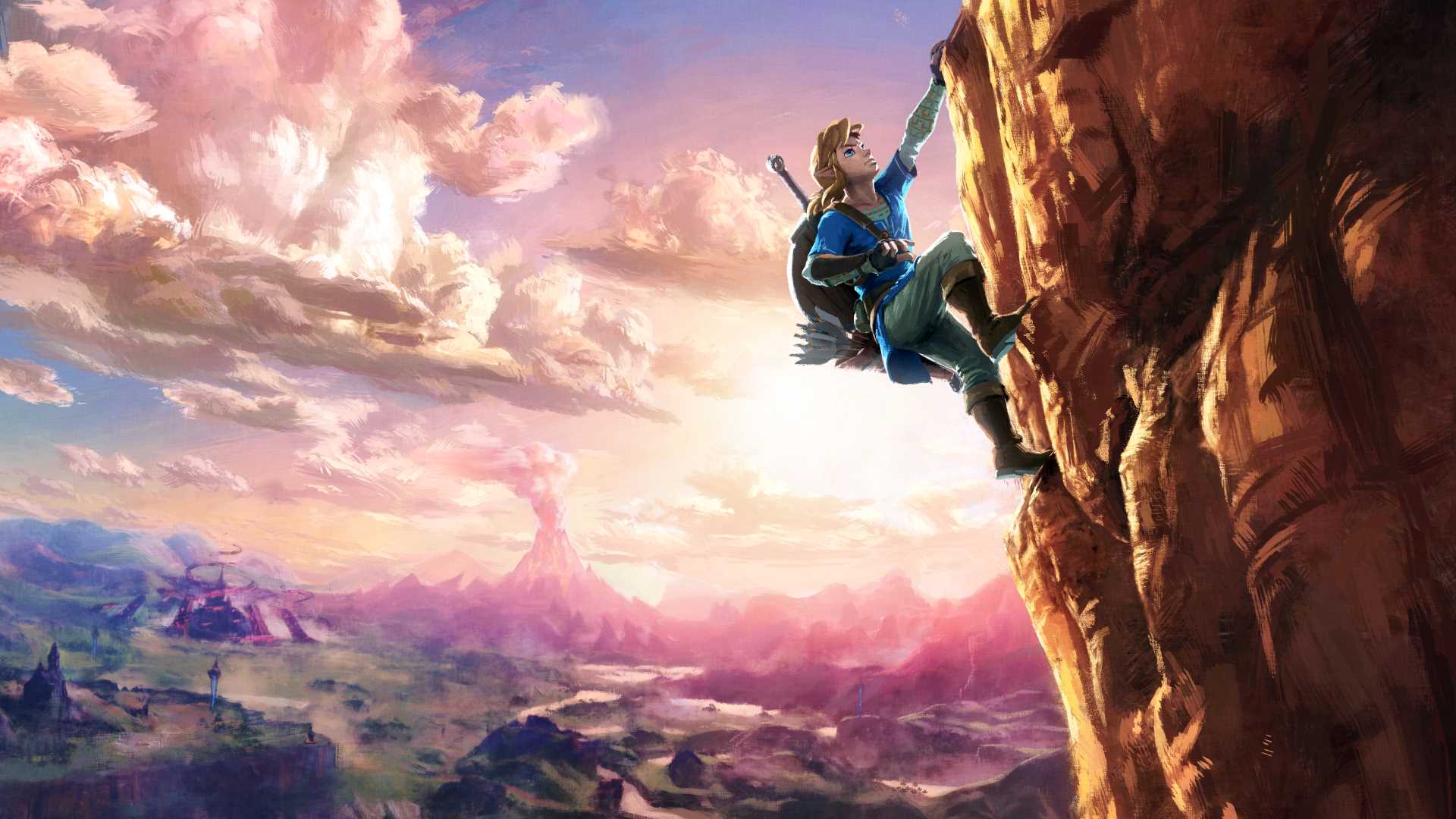
Few moments in gaming are as breathtaking as the opening of Breath of the Wild. As the camera pans across Hyrule—revealing mountains, volcanoes, castles, and distant ruins—players are instantly filled with intrigue.
The Zelda series has long pioneered open-world exploration. Its foundations were laid in 1991, inspired directly by Shigeru Miyamoto’s childhood adventures exploring forests and hillsides. The intention was always to rekindle childhood curiosity through gameplay.
Across decades and many iterations, Zelda has continuously evolved, but Breath of the Wild is the title that most fully recaptured that original 90s spirit. Released alongside the Nintendo Switch in 2017, it became a mainstream phenomenon and remains one of the most influential open-world games ever made.
The game teaches you the essentials during the Great Plateau introduction, and then—without hesitation—sets you free. The world opens, and exploration becomes your only guide.
Visual and Sensory Presentation
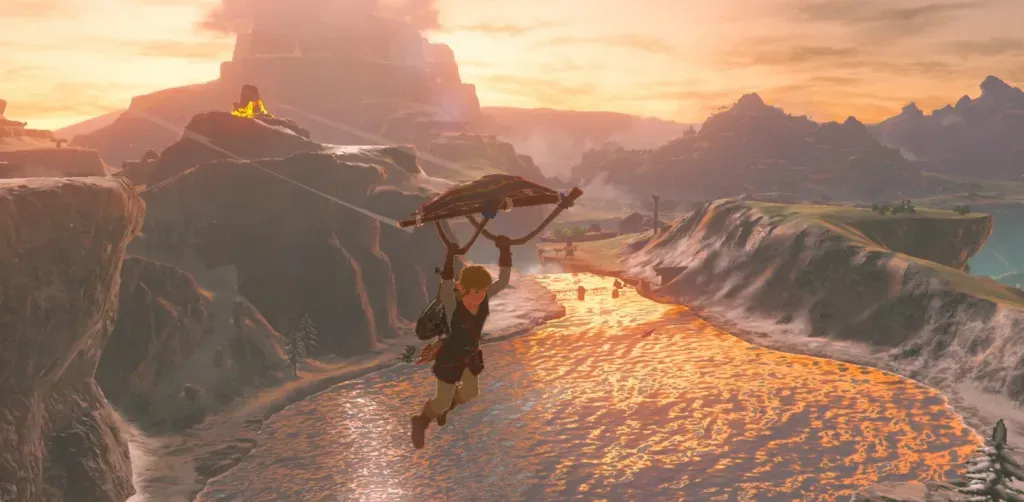
One thing you’ll immediately notice in Breath of the Wild is how often the world calls out to you. Structures, shrines, puzzles, settlements—everything feels like an invitation. This is achieved through clear visual cues:
- bright neon orange shrines,
- glowing blue Sheikah towers,
- natural landmarks that create intuitive pathways.
These cues gently guide the player without overwhelming them.
The world also feels handcrafted, with each biome presenting new environmental challenges. Weather systems affect traversal, wildlife interacts dynamically, and even gathering materials is signposted through subtle twinkles and color accents.
Systemic Interactions
Perhaps the game’s greatest strength is its systemic design—where every system interacts with others. Weather affects movement, physics influences combat, and elements interact in ways that feel natural.
Metal attracts lightning.
Fire spreads through grass.
Rain muffles footsteps, aiding stealth.
Explosive barrels chain-react.
These systems encourage experimentation. Curiosity becomes a tool, and players continue to discover new mechanics years after release.

Modes of Exploration
Eiji Aonuma once said, “People who play Zelda games are driven by their desire to explore.” That philosophy underpins Breath of the Wild’s “open-air” design.
Hyrule can be explored in multiple ways:
- On foot
- On horseback
- And most iconically: through gliding
Exploration becomes a loop: you see something, wonder what it is, and figure out how to get there.
Elden Ring
Overview
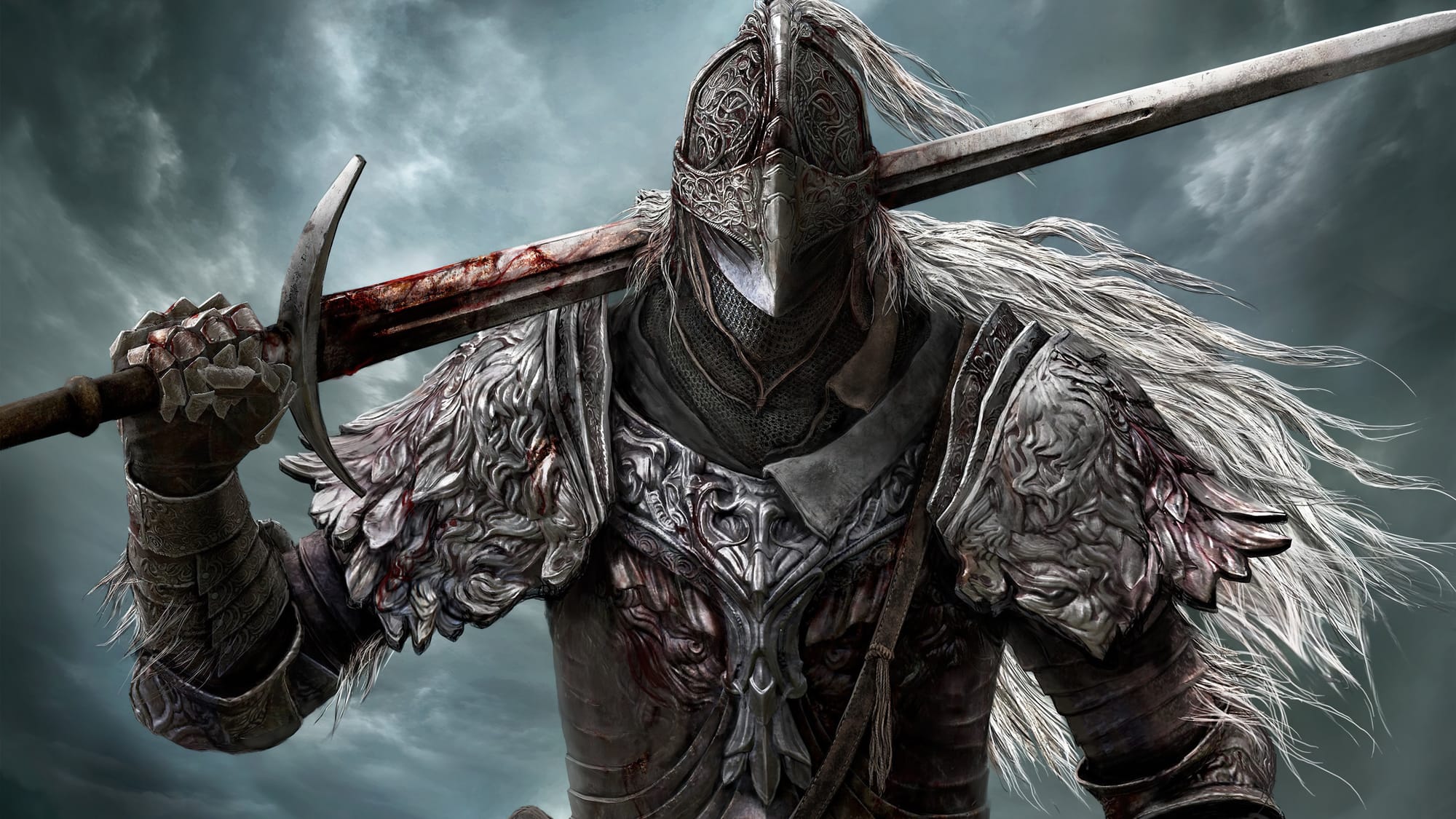
On February 25th, 2022, FromSoftware released Elden Ring, a Souls-like experience expanded into an open-world format. While debates continue about whether it is the greatest Souls game, there is no question that it is an extraordinary open-world experience.
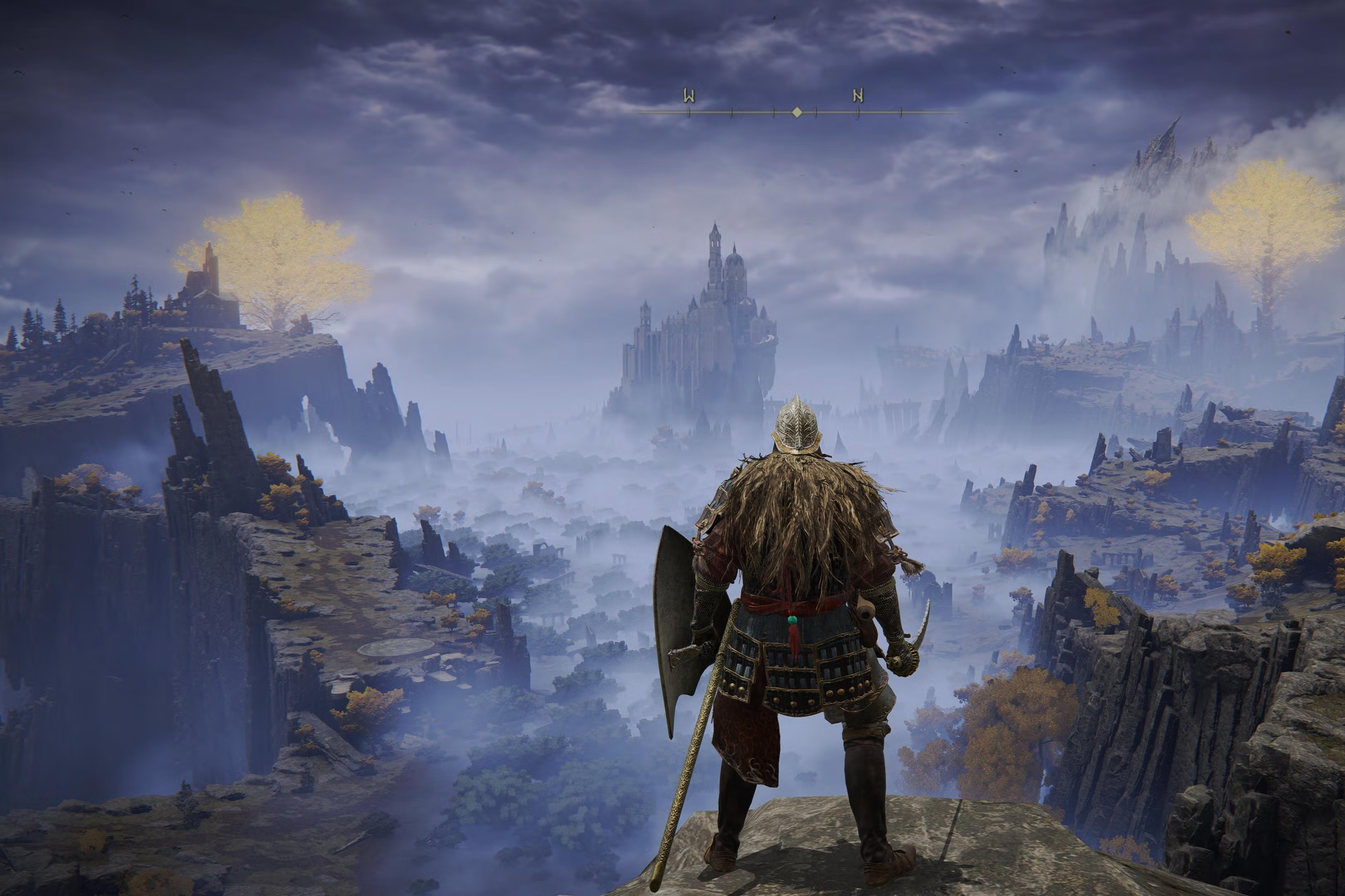
Like Breath of the Wild, it offers a world rich with landmarks visible in every direction. However, it blends these wide-open fields with classic Souls-style level design—tight, vertical, interconnected spaces found in castles, caves, and fortresses.
A Living World
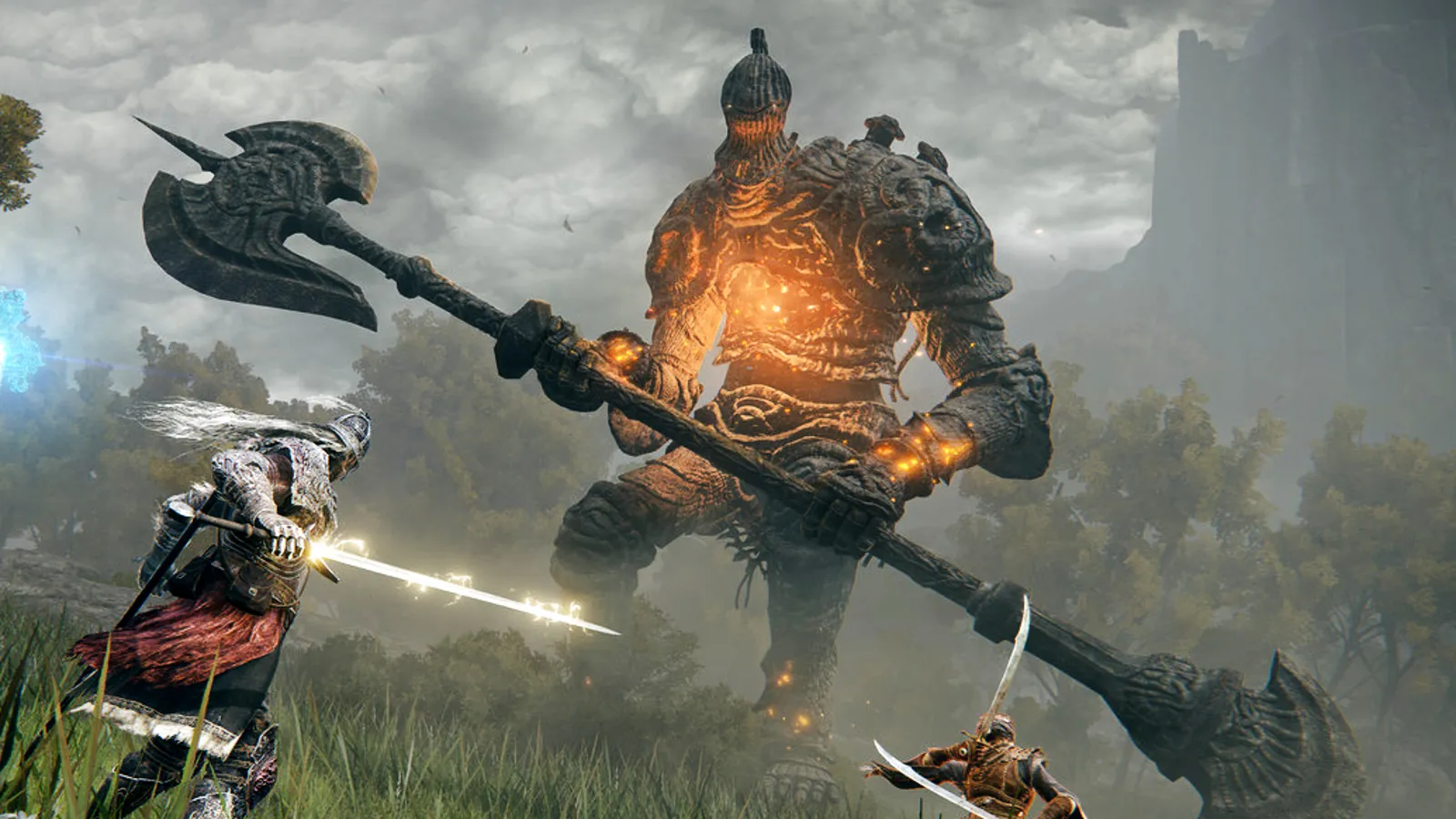
Elden Ring excels in creating an ebb and flow between quiet traversal and sudden danger. Surprise boss encounters, hidden locations, and spontaneous discoveries feel organic rather than scripted. Every new revelation becomes a mental landmark as you map out the distinction between the known and unknown.
World Design: Open-World to Linear Hubs
The Lands Between is visually cohesive. Branching roads, distant structures, and towering monuments encourage exploration. There are no intrusive map markers guiding your hand; instead, you discover locations naturally and create your own markers.
Dungeons serve as linear palette cleansers that maintain the classic Souls formula. The contrast between open expanses and tight corridors keeps pacing dynamic and engaging.
The result is a gameplay loop that never grows stale:
you explore, fight, discover, and wonder what lies beyond the next ridge.
Asynchronous Player Interactions
A signature element of From Software games is the ability to leave messages for other players. These can warn of dangers, reveal shortcuts, or—sometimes—send you to your death.
Bloodstains show holograms of how other players died, turning the world into a shared experience across countless parallel playthroughs. These systems translate beautifully into an open-world format, making the Lands Between feel inhabited by the ghosts of players before you.
Elden Ring - Side Notes
There is more than one visible world, with two worlds the underground dungeon world and the visible main plain that you explore.
Unlike Breath of the Wild, Elden Ring's open world only shows its beauty in the world with a stronger emphasis on the Brutality of the World.
The various characters and their quest lines soft world building narratives.
Map Fragments are used to help scope the map and incentivize the player to explore and collect these maps.
Map Fragments will map out structures enabling the player to better progress a particular area over the overarching map
In many ways Elden Ring operates with a reverse gameplay loop to the map-marker approach, meaning through its visual presentation and modes of traversal allowing the player to openly traverse and explore the map to the extent they please. The player would be able to map out and scope the map out with their discoveries either as a point of reference or to mark of as completed.
Outer Wilds
Overview
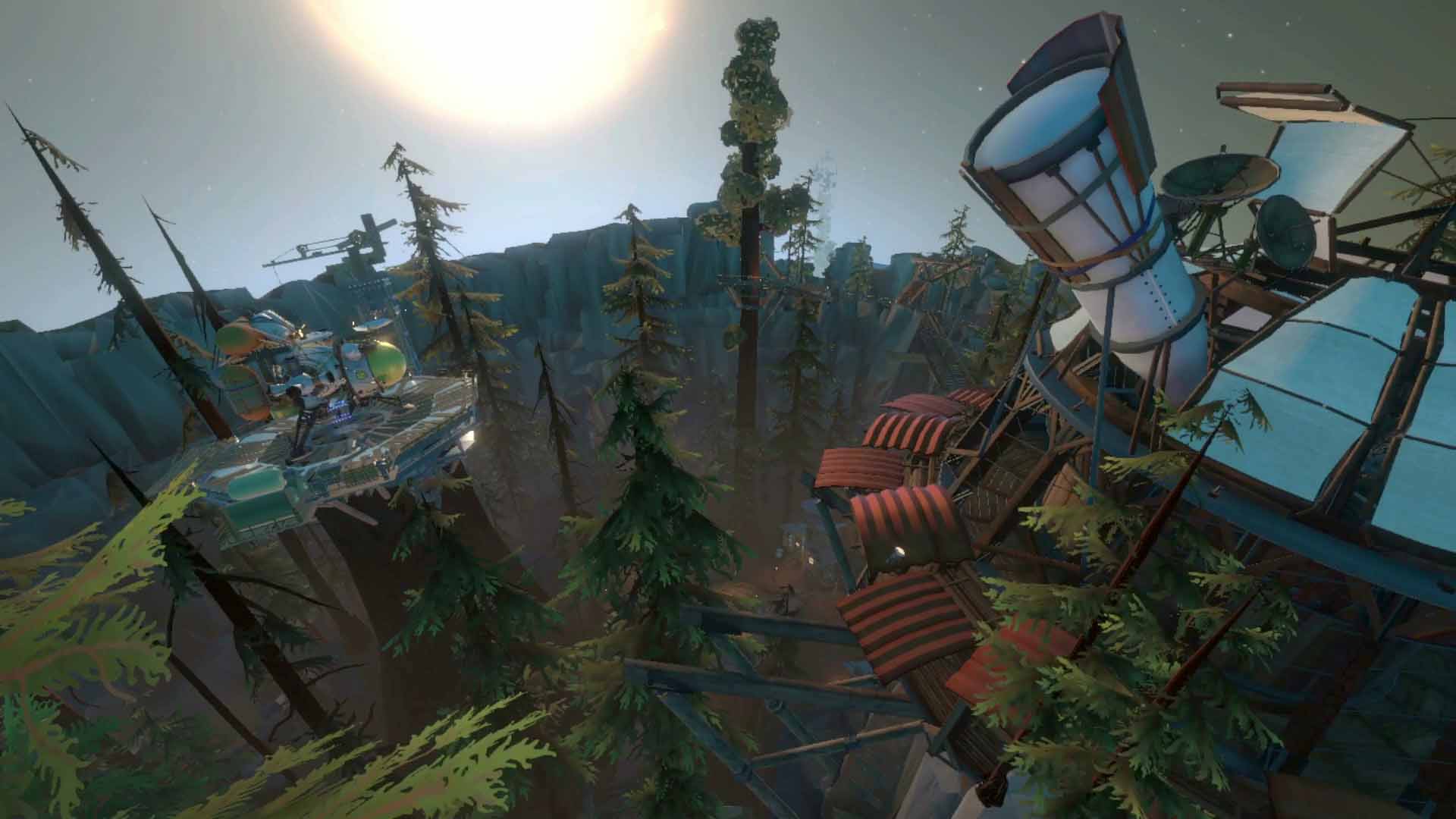
The third and final game is the purest embodiment of curiosity-driven design: Outer Wilds, an open-world space exploration puzzle adventure released in 2019 by Mobius Digital and published by Annapurna Interactive.
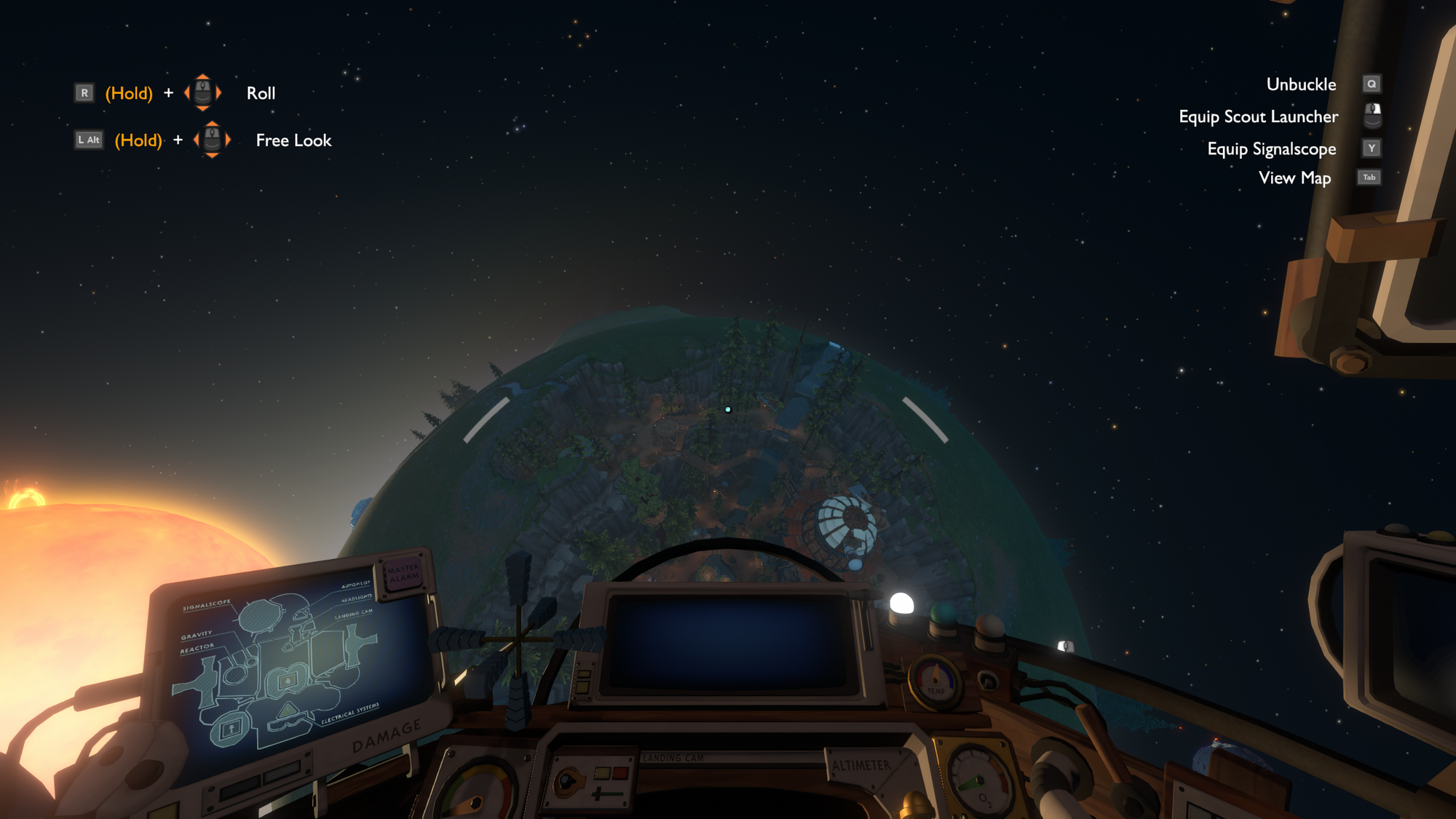
You begin as a new astronaut preparing for your first launch. After obtaining your ship’s launch codes, the solar system becomes completely open. No quests, no markers—just pure curiosity.
The game began as Alex Beachum’s university thesis, designed to explore curiosity as a game mechanic. It later gained fan support and eventually full development backing.
Side Note - “Don’t use a guide.”
This is the most common advice given to new players—and it perfectly encapsulates the game’s philosophy. Outer Wilds thrives on organic discovery, letting players uncover its mysteries at their own pace.
Exploration, Loops, and Curiosity
Each planet behaves uniquely:
- Tornadoes launch islands into the sky on Giant’s Deep.
- Brittle Hollow collapses beneath your feet.
- Dark Bramble is a maze of shifting pocket dimensions.
Your journey is bound to a 22-minute time loop, ending with the sun going supernova. Progress comes not from upgrades or equipment, but from knowledge—understanding how planets work, why events occur, and what the Nomai discovered.
Every new piece of information becomes a breadcrumb leading you toward the truth.
Knowledge as Progression
Unlike most games, Outer Wilds is driven entirely by intellectual progression. Learning quantum rules, deciphering Nomai text, and connecting clues propels you forward far more than traditional RPG mechanics.
Auditory Cues
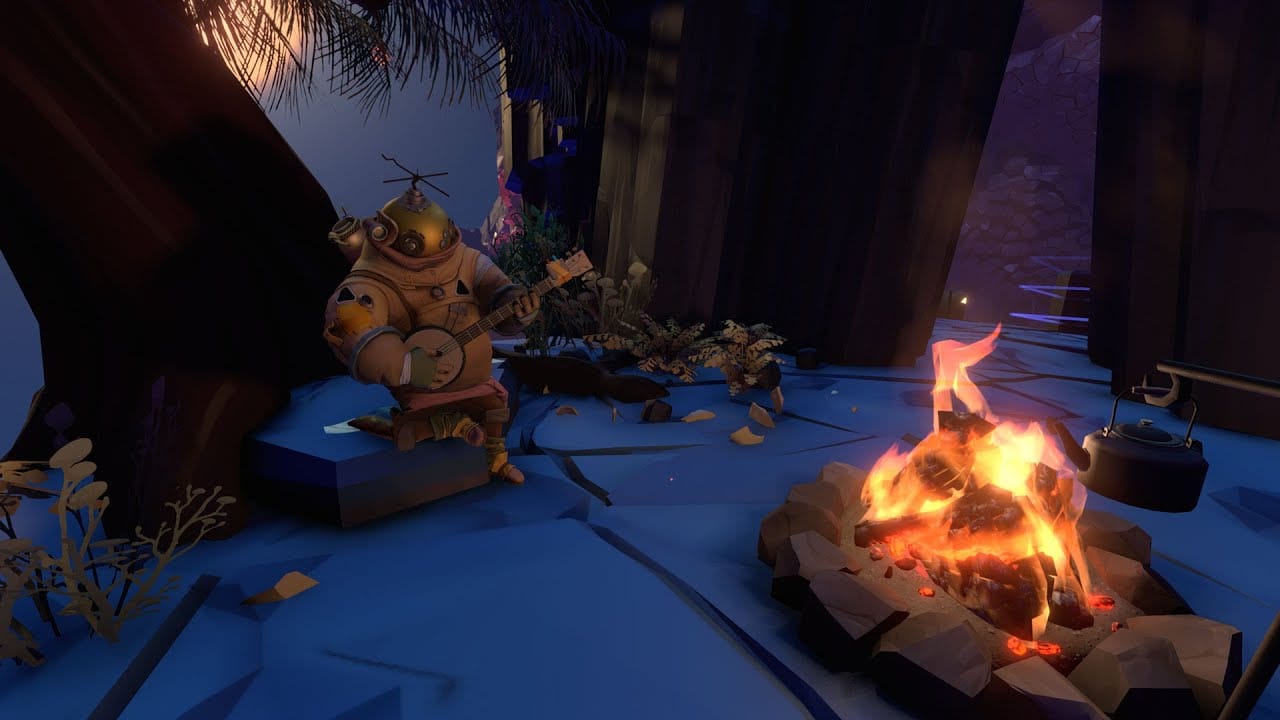
Audio design plays a critical role. The Signalscope lets you track distant sounds—
the banjo of a fellow traveller,
a distress beacon,
or a strange signal that leads you deeper into mystery.
Music shifts with location and time, subtly communicating tone, danger, and discovery.
Cohesion of Narrative, Gameplay, and Sound
One recurring observation from players is the game’s near-perfect harmony between narrative, gameplay, and sound. The story isn’t simply told to you—you uncover it. The world silently communicates meaning through visual storytelling, logs, ruins, and environmental clues.
The soundtrack mirrors this duality:
comfort and familiarity on Timber Hearth,
dread and isolation in Dark Bramble.
Each musical cue reinforces your emotional state and situational awareness.
Outer Wilds - Side Notes
One charming aspect of the Outer Wilds gameplay loop is that although one puzzle may not have a clear solution when you first approach it, that through other additional discoveries you uncover new methods to interact with the world and a different perspective to make you revisit and refine your approach towards something that you were stuck on prior.
The game as mentioned runs on a 22-minute time loop, and each playthrough you will begin to pick up on nuances and patterns, things that occur around a certain time frame in this loop providing an added layer and dimension to the experimentation. Take the Ash Twin planet for example if you arrive on this planet 2 minutes into the loop you'll see nothing more than a ball of sand, however arrive here 15 minutes into a loop and you will see structures emerging out of the planet.
Shadow of the Colossus
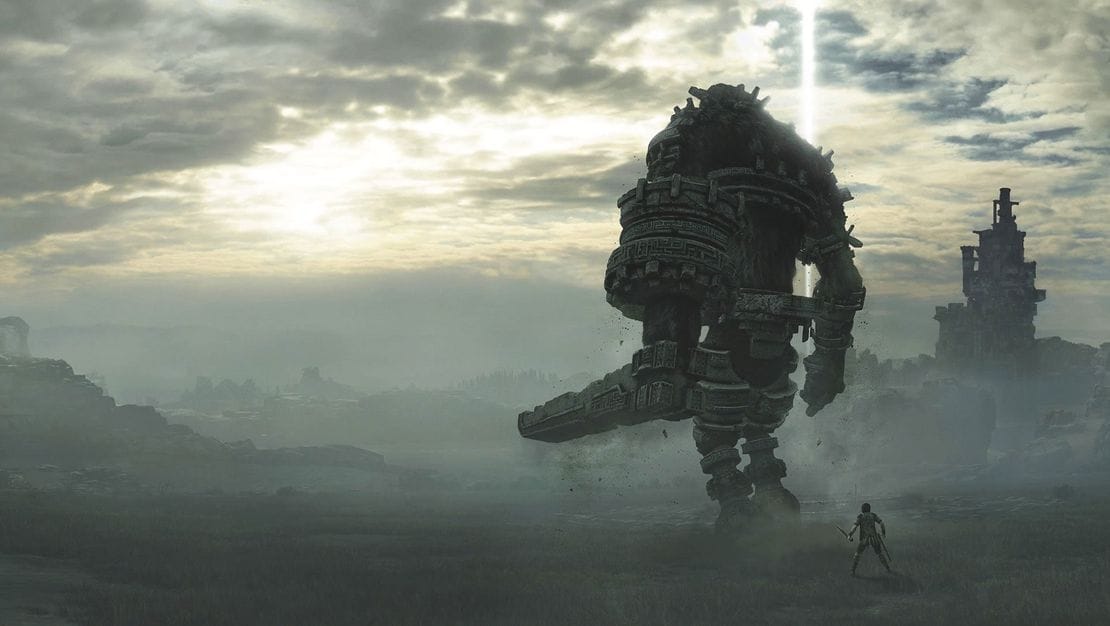
A article exclusive and new piece to this analysis that was originally dabbled with when originally writing the video version.
Overview
The year is 2005. God of War had just been released, San Andreas had taken over living rooms, and on October 18th, Shadow of the Colossus arrived—an experience unmatched for its time.
Developed by Sony Computer Entertainment, the game is an open-world adventure where you play as Wander, a young man attempting to resurrect a girl named Mono. To do so, he must slay sixteen Colossi scattered across a vast, desolate landscape.
There are no enemies, no towns, no distractions—only your horse Agro, your sword, and a world both barren and haunting.
A Desolate World, A Sword, A Guide
Your sword guides you by reflecting light toward the next Colossus, but the world itself is entirely open. You can stumble into areas prematurely and wonder whether they serve a purpose later.
The beauty of the game lies in its simplicity. You traverse a world devoid of life, creating long stretches of quiet reflection as you ride toward your next target. The environment becomes a character—somber, lonely, and awe-inspiring.
Through exploration, the world becomes familiar: not through markers, fast travel, or dialogue, but through your lived experiences and the battles you’ve survived.
Conclusion
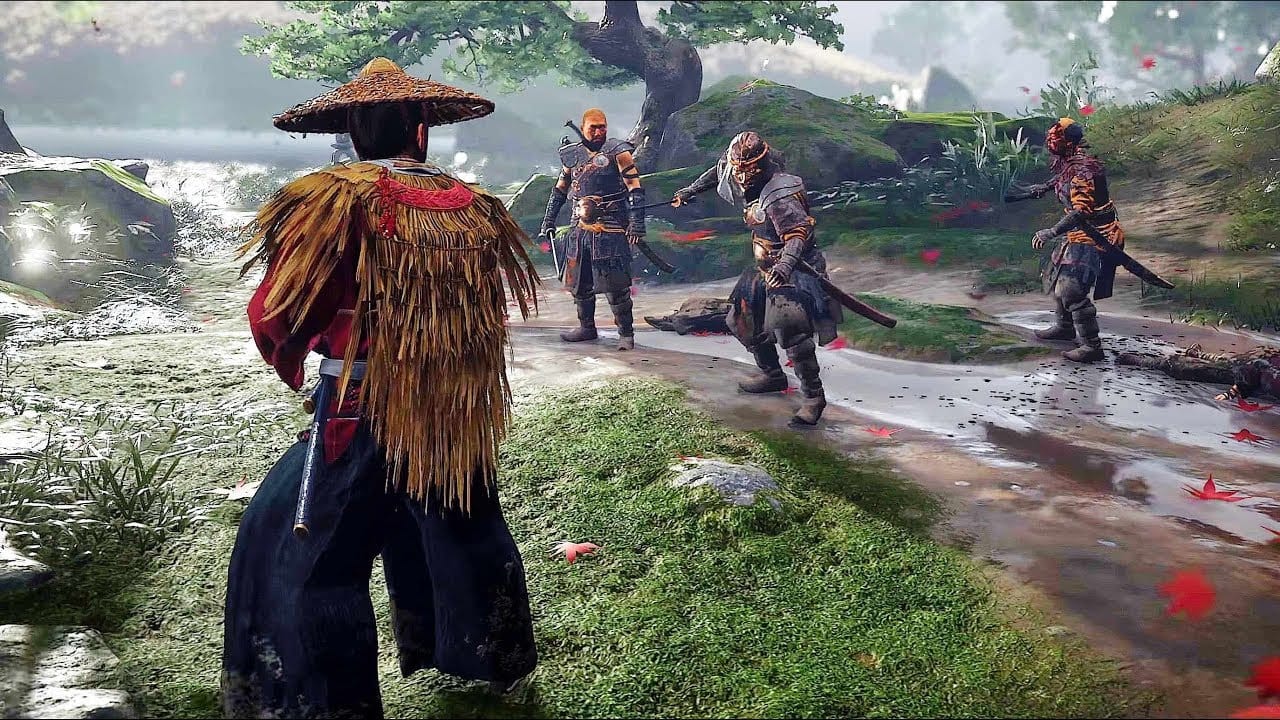
Are curiosity-driven open worlds inherently better? There’s no definitive answer. Games are meant to provide enjoyment, and different experiences resonate with different players.
However, there is undeniably something special about discovery-led design. When you uncover a hidden location on your own, piece together a narrative revelation, or stumble upon a secret item without guidance, the moment feels uniquely yours.
Curiosity-driven open worlds enable deeper immersion. They create worlds that feel alive—worlds designed to be found, not pointed to. This is why people long to relive Outer Wilds for the first time, why Elden Ring remains unforgettable, and why Breath of the Wild continues to inspire.
These games are built around discovery. They spark curiosity. And they forge memories that stay with us long after the credits roll.