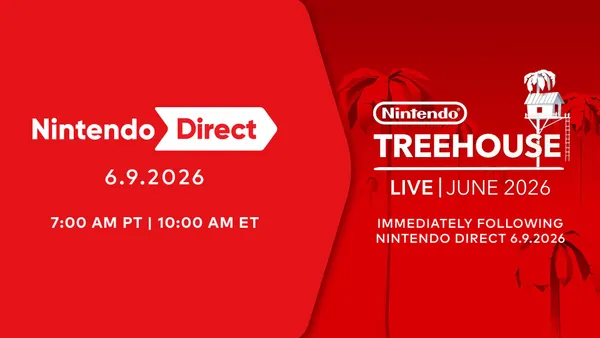
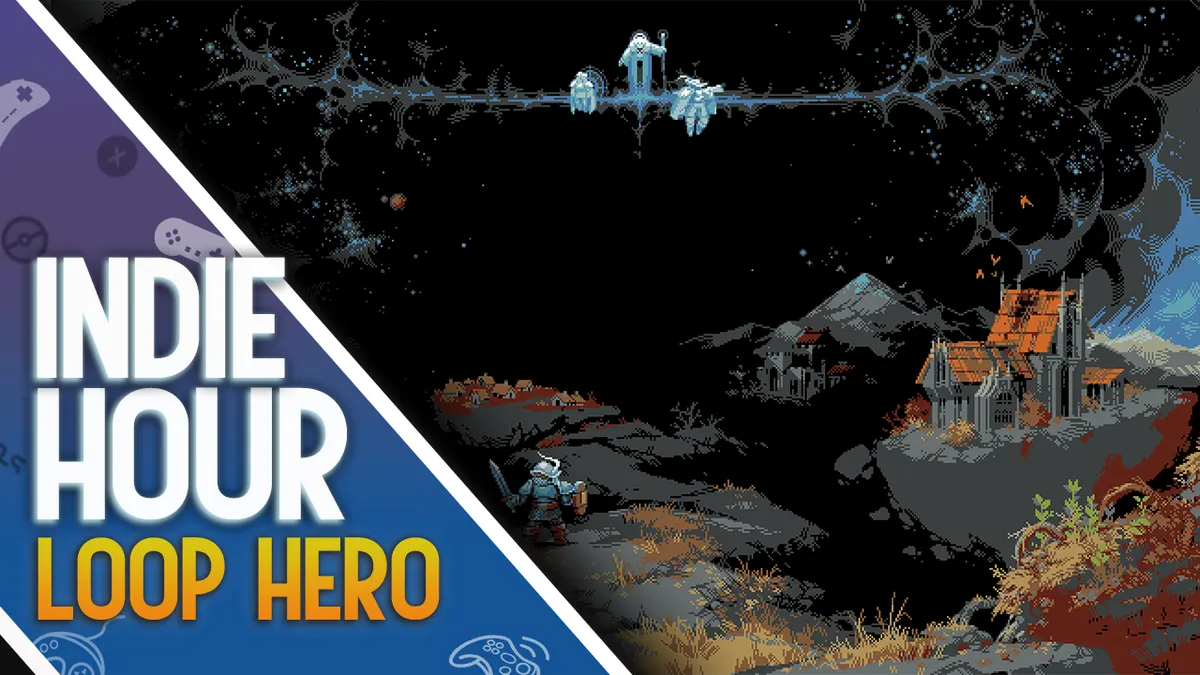
Indie Hour - Loop Hero
Introduction
Welcome to another entry in Indie Hour, where Tarrmu covers the latest independent games that may have passed you by. This time the subject is Loop Hero, an interesting intersection of auto-battler and deck-builder with a sprinkling of rogue-lite elements, developed by Four Quarters.
The Hook
Loop Hero is a mesh of genres that produces something refreshing out of a lot of well-established ideas. It sends your hero out along a path generated at the start of each run, looping around it and engaging in combat that resolves automatically. The hook stems from an inversion of a rogue-like staple. Normally the gear, items and weapons you acquire all benefit your character directly. Loop Hero flips that on its head by handing you cards, and it is the cards that do the heavy lifting, modifying and evolving the terrain you walk, shaping the run, the risk and reward, the overall difficulty and the boons you come away with. Your hero does still acquire gear that affects survivability on a given run, but the cards are the playmakers.
The set of cards available to you is finite and rigid, which limits how much you can loot and haul back to your base of operations. That base is the other key component of the loop. Between runs, the materials you have gathered go towards upgrading and unlocking new buildings and settlements, which in turn provide more cards and more boons to carry into subsequent runs. It all feeds a cycle of setting out, fighting, surviving and gathering as many resources as possible.
Loop Hero's biggest enemy is player greed. Tarrmu overstayed his welcome plenty of times, and since enemies grow tougher with every completed loop, the result was being humbled repeatedly. It is an immediate hook, one that invests you in upgrading your base so runs go better, and in maximising your runs so you can upgrade your base.
The Moment
The moment Loop Hero began to click was on the first genuinely solid run, once the core mechanics had settled, there was a clear sense of which materials were worth chasing, some decent cards were coming through, and a general plan had formed for how to lay out the map. The first few loops take some getting used to, and the game takes its time revealing its hand. Once the loop clicks, though, it opens up into an addictive cycle. More cards stack onto more upgrades, every action starts feeling rewarding, and a real strategic tension emerges around knowing when to push your luck and when to cut a run short. There is also a memorable surprise waiting for anyone who overstays their welcome for long enough.
The Features
Two main features underpin Loop Hero. The first is the rogue-like run itself, where you lay tiles and fight enemies. The second is the base of operations, where character moments and story beats unfold while new forms of progression are unlocked for future runs.
Sitting on top of both is the way you tailor your own difficulty. The tiles you bring into a run shape your playstyle, but they also shape your odds of survival, and the riskier configurations are the ones that net the best rewards. There is a related feature built around knowing when to retreat. Retreating at a bonfire preserves most of the resources gathered during the current run, whereas dying costs you most of them. Bosses factor in too, along with quests and special events triggered by engaging with particular tiles or reaching the end of a run.
The Presentation
Loop Hero's presentation draws heavily on the dungeon crawlers of old, the sort you would have found on an ageing PC. Back at the base, characters get their own cards with some lovely sprite work, and the game's use of colour, particularly its choices about when to withhold it, creates a strong sense of space and comfort. The base is bright, vibrant and cosy, and it always makes for a welcome stop before returning to the more muted palette of the loop.
Who This Is For
Loop Hero is for anyone who loves the run-based nature of a rogue-like but wants something built around strategy and auto-battling rather than snappy moment-to-moment combat in the vein of Returnal, or deck-building that is less character-focused than Slay the Spire. It offers a genuinely unique spin on a genre that has come to feel oversaturated, and proves there are still fresh ideas and gas left in the tank. For anyone who loves everything and anything rogue-like, this will feel both fresh and familiar, and it becomes a great deal of fun the further you open up its mechanics and avenues.
Closing Thoughts Outro
Loop Hero is a small game with a deceptively deep pull, and it earns its place in the genre by refusing to build on the same foundations as everything around it.
Drop a comment with your thoughts, or with any games you would like to see covered in a future Indie Hour.