Indie Hour - No, I'm Not Human

Introduction
Welcome to another entry in Indie Hour, where Tarrmu covers the latest independent games that may have passed you by. This time the subject is No, I'm not a Human, a surreal interactive horror game developed by Trioskaz and published by Critical Reflex.
The Hook
No, I'm not a Human hooks you into its world immediately through its off-kilter visuals and its core premise, in which your home is one of the last remaining safe spaces during an outbreak that has left people unable to be exposed to the sun. The hook lies in the balancing act of managing who you let in, the judgement calls that come with those decisions, and the constant assessment of which of the many personalities passing through your door might be a visitor in hiding.
So what is a visitor? Visitors are an ominous entity that takes on the skin of a human, capable of lashing out and killing one of your survivors at any moment. The central hook of the game comes from how it invokes fear and paranoia, feelings entirely appropriate to a world that is essentially ending. Plenty of people will knock on your door, each an oddity in their own way, some arriving as guides bearing riddles that influence how your story resolves. There are multiple endings to reach and various paths that gradually unfold the broader narrative of what has become of this world, and of your place in it.
The Moment
The moment the game really sank its claws into Tarrmu was the first complete playthrough. There are multiple endings and a wealth of small details the game never tells you about, which means mistakes are inevitable and become the material you learn from on subsequent runs, alongside knowledge gathered from the people staying in your house or picked up from watching the TV. The world and its options open up and grow clearer the more you engage with it, and new people keep drifting past your doorstep.
What makes it click is the sheer atmosphere and mystique. This is a game where you go to bed one night on edge about whether you have misjudged and let a visitor in, feel the sigh of relief when a choice proves correct, then feel the jolt of panic on receiving a notification that a resident has died. There are surprises hiding in plain sight, and the satisfaction of working them out, or of unlocking a new ending, left Tarrmu with more questions than answers and an immediate urge to hit New Game and peel back another layer.
The Features
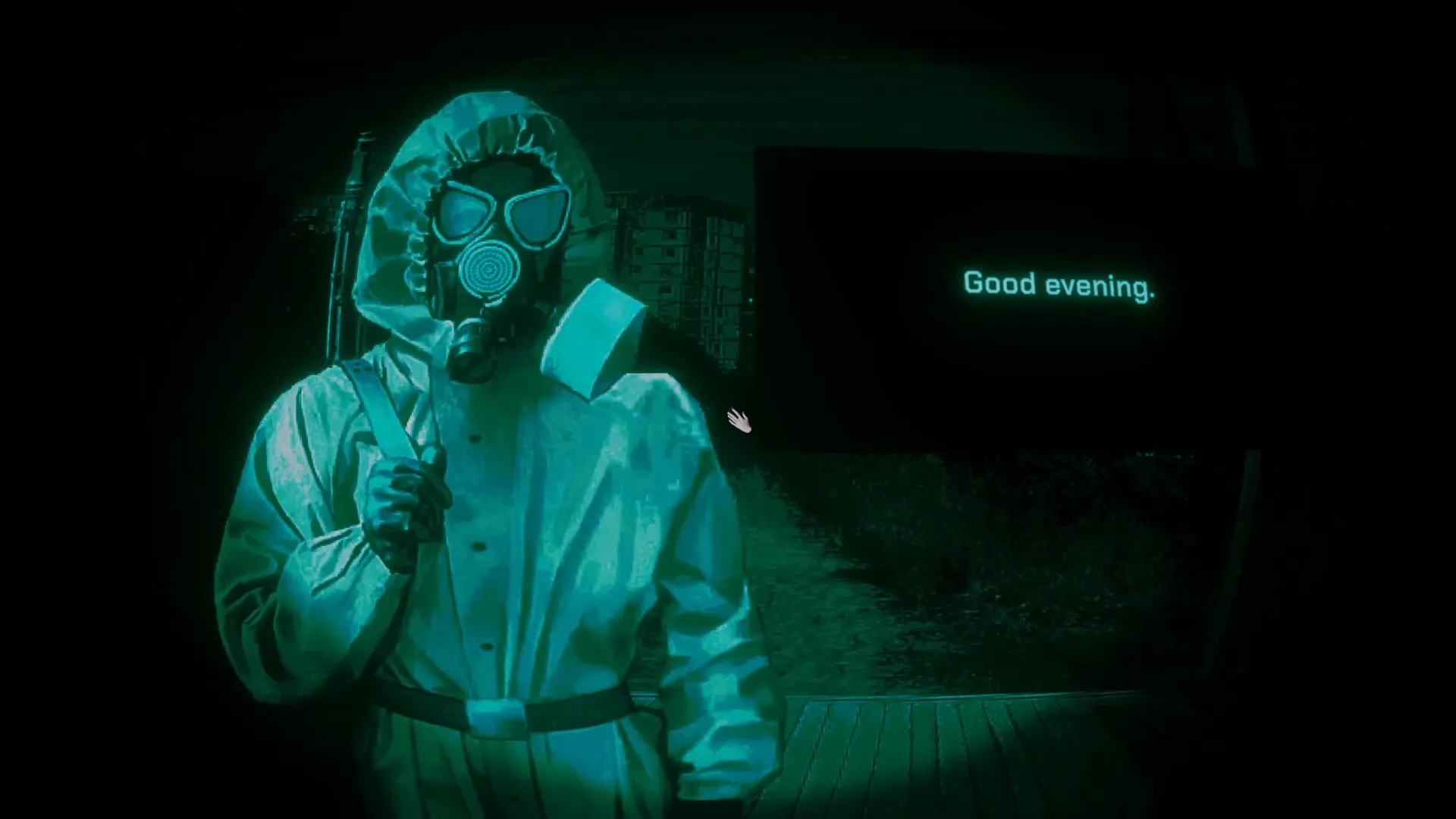
The core gameplay loop is built around a day and night cycle, with your home standing as the last safe refuge in a cataclysmic world event. The day sees you talking to the people you have let in, running procedures to determine whether they are human or visitor, and maintaining your own appearance. There are other small secrets and benefits best left unspoiled, but these main actions are all tied to an energy system, which makes daytime decisions feel calculated and finite. You have to act strategically, and that adds real weight to every choice.
Then comes the night, when people are active outside and knocking on your door. Some arrive with visions and requests you can follow up during the day, while more commonly they are simply seeking shelter. You have to take the gamble, and there is no clear way to determine who is or is not a visitor before they step inside, beyond gut feeling and the occasional obvious pick. It creates a sense that mistakes are inevitable and partly outside your control, which can be frustrating in early runs, though those mistakes become the mental notes that carry into later ones.
The Presentation
The cherry on top, and much of what makes the game so immersive, is the presentation, particularly the soundtrack. The night-time theme is haunting and cautious while still holding a strange sense of comfort behind the door. The score leans on a melancholic synth sound that sells every moment and captures the bleak, dire state of the world you inhabit.
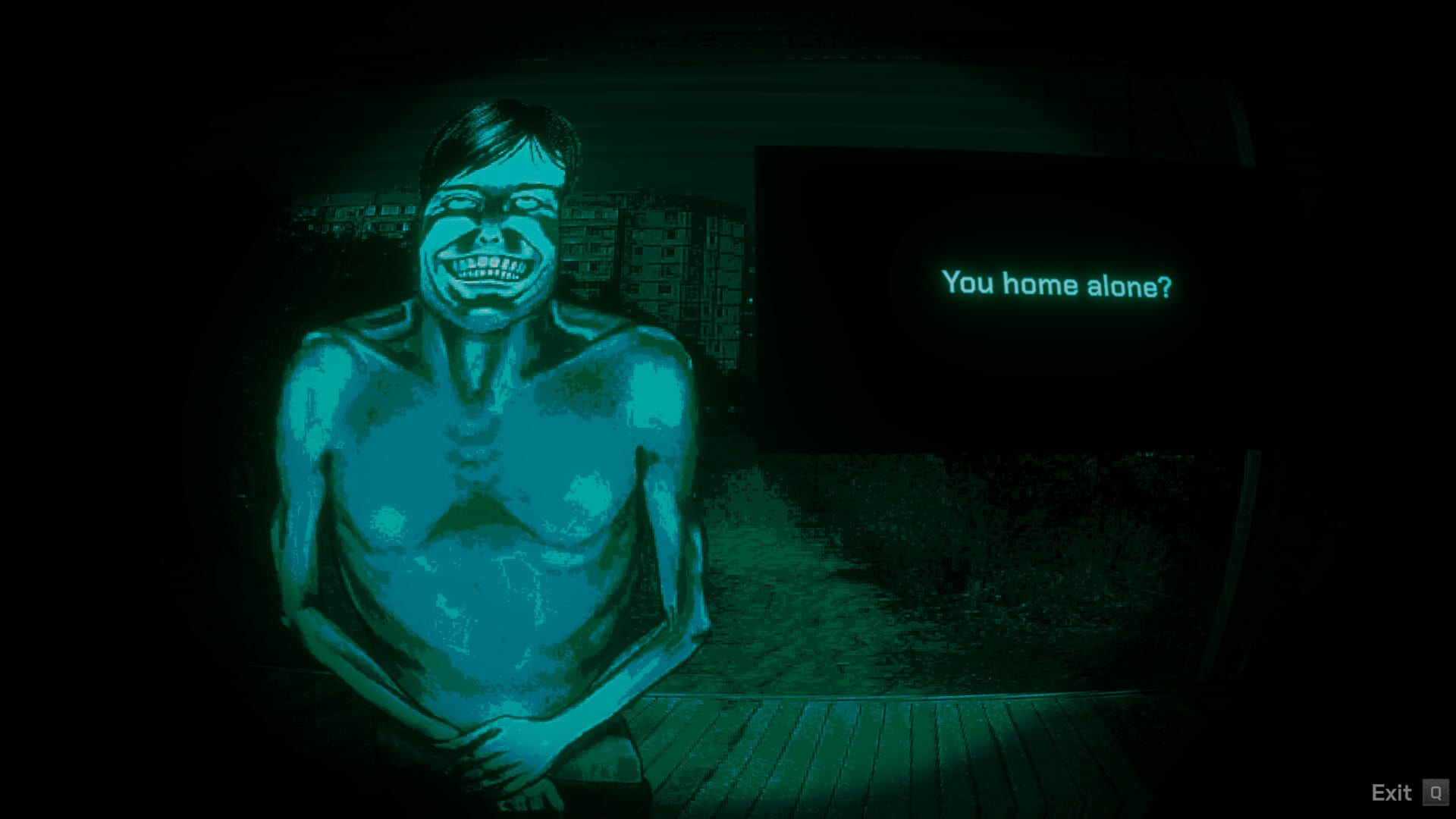
That pairs with a visual presentation split between low-poly 3D sections and point-and-click adventure scenes populated by character models that look genuinely odd and uncanny. Those weird facial expressions and poses are another element making the distinction between friend and visitor that much harder to decipher. Its visuals are unique and stylistic, and they always feel slightly off. The whole presentation feels otherworldly, and in a game about distinguishing human from entity, otherworldly makes the process of elimination a real challenge.
Who This Is For
No, I'm not a Human is made for people who love surreal horror built around a slow existential apocalypse, where the horror lies in its ability to spark paranoia, dread and a sense of hopelessness in whoever is playing. There is something beautiful in how it ties its narrative, its sense of place and its atmosphere into one neat bow, and that makes it thoroughly worthwhile for anyone after a different kind of horror who does not mind reading and letting things unfold.
You will more than likely not be satisfied with the first ending you reach, which makes multiple playthroughs more or less a given. If that is something you are willing to sign up for, No, I'm not a Human is a fantastic time.