You Have Been Lied to About Marathon || Review

Table of Contents
Overview
Marathon, one of the most turbulent releases of 2026 so far, with one side in love with its punishing yet satisfying spin on the extraction genre, and others chanting for the games downfall. One thing is clear for sure, and after spending 40 hours with the game it is a punishing game, that is structured around micro-lessons with each run you fail, and death is the teacher. It's got a hook that is built around what you learn moment to moment, the thrill that is built around "one more run", this sense of being able to win big, or lose it all.
But there is another side to Marathon, its discourse. You have been lied to about Marathon. The level of vitriol that surrounds it that feels astroturfed and disingenuous. There is a rotten core to many critiques that surround this game, from many who have barely invested an hour into the game, or engaged with its steep learning curve. Unlike my regular reviews, this one will be comprised of two parts, a side A where I breakdown how I see Marathon, the systems, the loops, what it gets right and its improvements. But the B side will be surrounded around the broader narrative surrounding Marathon on a whole, because to put it plainly. Because simply put, You have been lied to about Marathon.
Gameplay
The Hook of A Run
To me, the hardest question to clearly articulate and define when I think about Marathon, is its hook. What is the hook, what is the thing that sells people on your game, and then continues to keep them hooked on it hours later. The learning curve is Marathon's hook, each map has a distinct layout, with unique hazards, weather conditions, hotspots that players frequent, and sound design that illustrates your surroundings as well as the visual feedback in front of you. On paper Marathon's loop is primarily about completing contracts to improve your standing with the six major factions, loot the best possible gear for your arsenal, or loot salvage which will provide you credits to purchase gear in the armory between runs. But the true hook of Marathon is, the embrace of death. It is the philosophy that the gear you bring in is temporary, but the lessons and knowledge you take from each run is permanent. I touched on this in my impressions video, but Marathon to me feels like a game of knowledge much like a rogue-like or a souls-like where you are learning a boss, their move-set, or a zone and its topography. But in Marathon, the boss and study focus is Tau Ceti, a brutal depiction of a abandoned colony adrift, where everything is trying to kill you. The UESC are a formidable threat, these robot NPC's come in all shapes and sizes, and will play as aggressive as players, chasing you down flanking you, and baiting you out. If they knock you down, they'll see to it that they finish the job, they're merciless. There are sentry turrets that will destroy you, if not careful, give away your position if set off, and toxic plants that can do fatal damage if set off. These are just a handful of examples, but there are plenty more along with the players, map layouts, event opportunities and understanding the full potential of your Shell's capabilities. At the time of writing, I feel comfortable with Perimeter, and am at the point of more extensively learning Dire Marsh, with only a few visits under my belt to Outpost. But each map feels, dense, full of secrets, knowledge and strategy to navigate through, and I'm excited to see how Cryo Archive and future maps evolve on this foundation.
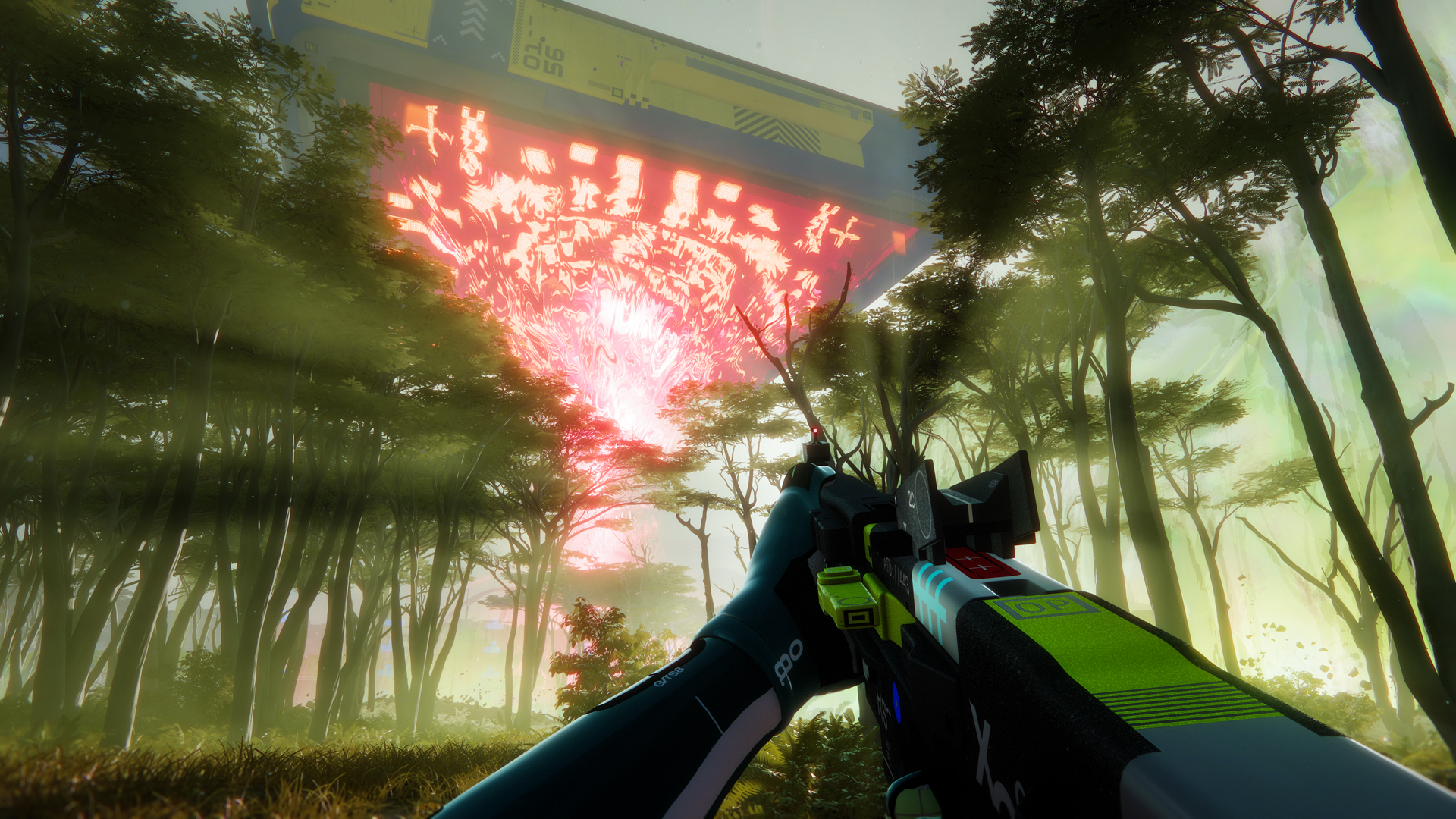
But Marathon has been an experience that feels akin to a heist, especially as a single player, there are meticulous little details that you become aware of, the more you play, the game of knowledge helps you grow, make meaningful choices with your run, adapt and outplay opponents or pursue an unknown opportunity with more confidence than a couple of hours prior. You die, you fail, you jump back in. There is this sensation in loading up with your best gear, the thrill you could win big or lose it all. Flipside is going in with what is called a sponsored kit, think of the free-kits from ARC, and being able to make something out of nothing. Underpinning all of these feelings is this notion of "one more run" and that underlying feeling to me is the hook and beating heart of Marathon.
The Maps of Tau Ceti IV
I touched on the different maps of Marathon and I'd like to elaborate further, because the maps are as much a personality of Marathon as much as the Shells you play as or the UESC you fight. The individualism of each map is a large facet of Marathon's hook, and the current maps available, are all distinct and designed around a level of difficulty that introduces the player to the rules and laws of the game. Perimeter is a more standard map introductory map compared to the latter maps Dire Marsh and Outpost feeling more rewarding to loot and extract from, but more threatening and unforgiving in their UESC presence and overall map design. Outpost is a smaller map built around verticality, and there is a lot of close-quarter encounters and run-ins with players that are bound to unfold. Dire Marsh feels like a more compact version of Perimeter, with more vertical complexes and intricate locations to figure out, along with NPC's who are an absolute menace for those not adequately equipped.
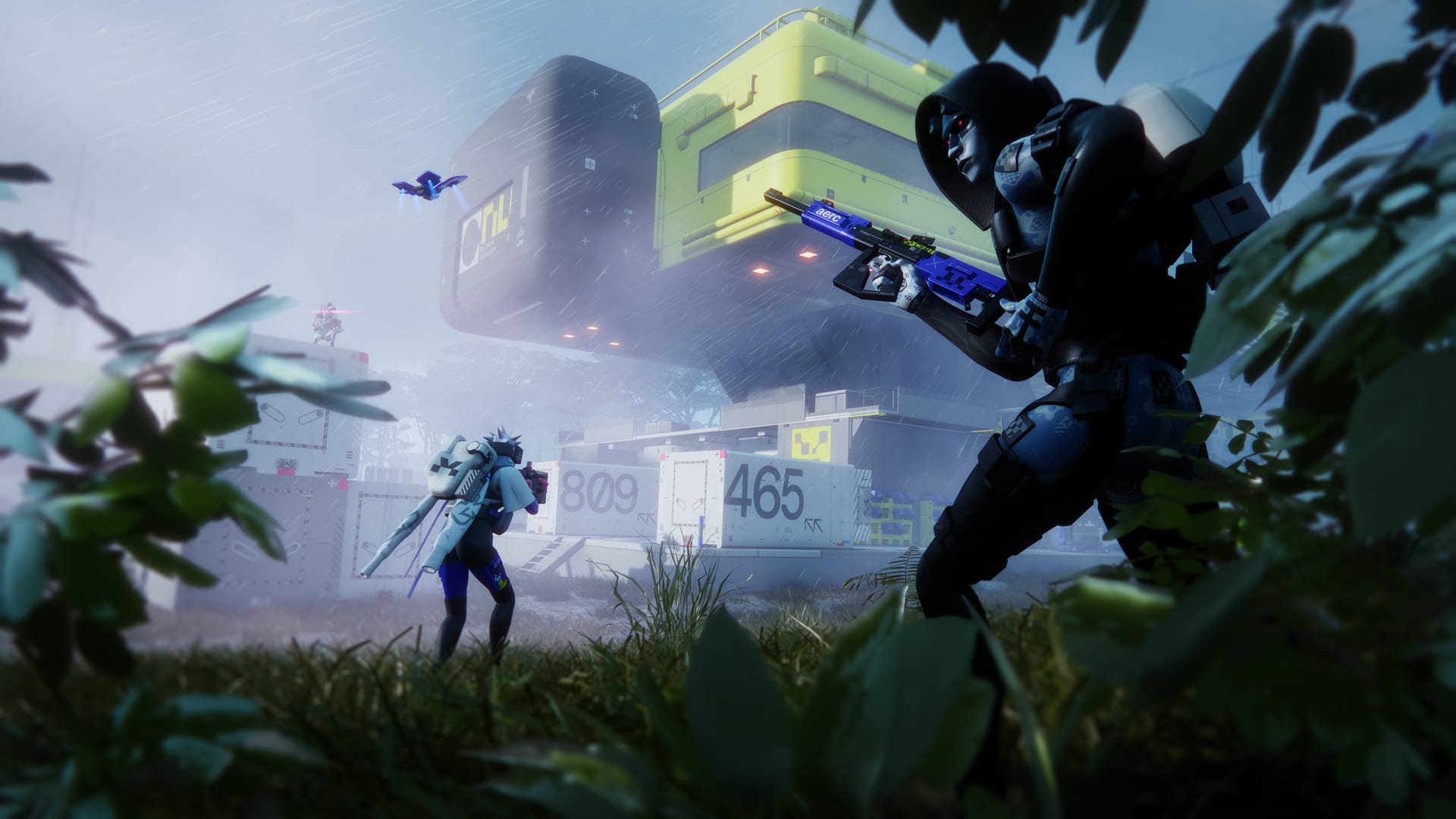
The world of Marathon is absolutely astounding and the amount of little details tucked into the environment, from its level design and how little details can give away a breadcrumb trail of where a player has been, to actual environmental signals, like a destroyed turret or the scattering flock of birds chirping in the distance. There is a wealth of visual and sound clarity that is constantly feeding you information in real-time and it makes each map feel like an ever evolving and changing landscape where no two runs are ever the same.
Combat
Marathon's gameplay is a multitude of components that form a solid whole, but none are at the forefront as the combat, which is something that you'll be engaging with a lot in Marathon, with both PvE events and enemies varying in difficulty and PvP which is other Runners, where it'll be a tactical game of cat and mouse trying to get the drop on each other. Combat is a trade-off that interlocks with the resource economy and utilization of knowledge we mentioned earlier. In early runs of Marathon, you may think to engage the UESC every chance you get, only to then be flanked by a runner, low on ammo, med-kits and shields, leaving you outgunned. It's not to say that these fights aren't winnable, but they leave you in a state of disadvantage, and this is an underlying rhythm of an extraction shooter, and one Marathon wears on its sleeve.
Combat is smooth slick with gunplay that has the signature feel that Bungie is known for, but unlike the gun-ho nature of Destiny, or the super-solider feeling of empowerment that is the Master Chief, in Marathon is an equation, where sometimes avoidance and stealth are better solutions, than tackling and obstacle head-on. The reason you need to move cautiously and be alert, is tied to the time-to-kill in Marathon, which is really low, meaning that if someone gets the jump on you they can absolutely mop the floor with you, and if you do manage to escape, it'll be by the skin of your teeth. The low TTK makes for shootouts that feel interesting, they feel like a dance of predicting and outmaneuvering a player, like in any competitive shooter, but with a risk of losing it all or winning big. There are 28 distinct weapons in Marathon, and each that I have used feel great to use, with a good variety of scopes you can find, and custom mods, that can stack and factor into build-crafting your weapon into a weapon that has unique perks and abilities that tailor to your playstyle.
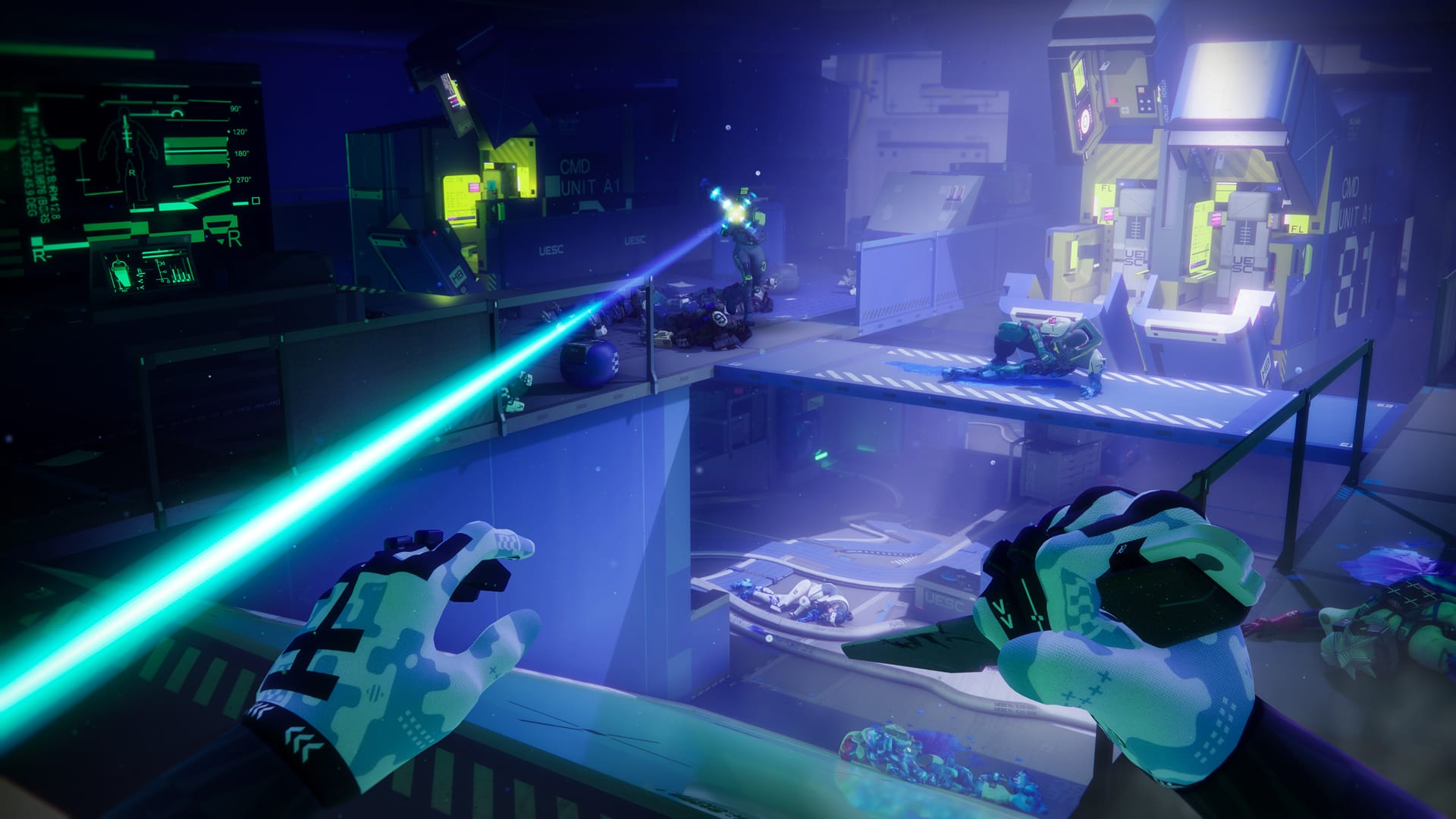
These playstyles and weapon mods will tie into the type of shell you play as, which is important for understanding your kit, abilities, the ways they serve you in combat, and the different abilities of enemy runners, the vantage points of different hotspots on a map, the different extraction points, things like walking slower when aiming down sights, or running with your knife makes you louder, but also faster.
The Ghosts in the Shell
Marathon at launch will allow you to play from a selection of six shells and another special shell called Rook. The Shells in Marathon on the surface, look like heroes from a hero shooter, but all cater to different playstyles that are vital to the extraction shooter genre. Whether it is Vandal who prioritizes speed and displacement, Assassin who focuses on sneaking and stealth or the Thief who can scan rooms for what quality tier loot is hiding in plain sight.
These roles all accommodate a particular playstyle, and provide enough depth that using them effectively feels like it will take hours to truly master. But watching skilled players find unorthodox methods and kit to stretch the abilities of these Shells is insane, whether it is placing claymores on the Thief's drone and flying it head first into an enemy team. Whether it is grappling with Thief onto another Thief's drone to zip around the map.
There is an addition of another interesting Shell who functionally is different compared to the others. This is The Rook Shell which is an interesting concept and inclusion to the Marathon loop. Rook will jump into a run that is currently ongoing, generally around the 15 minute mark. You can't equip Rook with any gear, and you can't complete any contracts as Rook. But the objective is to loot the map and extract with as little detection as possible. Unless you're feeling like an absolute menace and want to wipe a whole team which I've seen clips of some people way more skilled than me doing. But on a functional level, Rook is supposed to be your way back in, a Shell that can get in grab some loot, make some money, grab some gear for a proper run, and get out. Marathon has sponsored kits, which are basic kits which you can apply to the other runners, which serve a similar purpose. But the difference between sponsored and Rook, is the mid-match advantage you get as Rook, having less players on the map to contend with potentially, and even being able to find some fallen runners with leftover gear that might be useful.
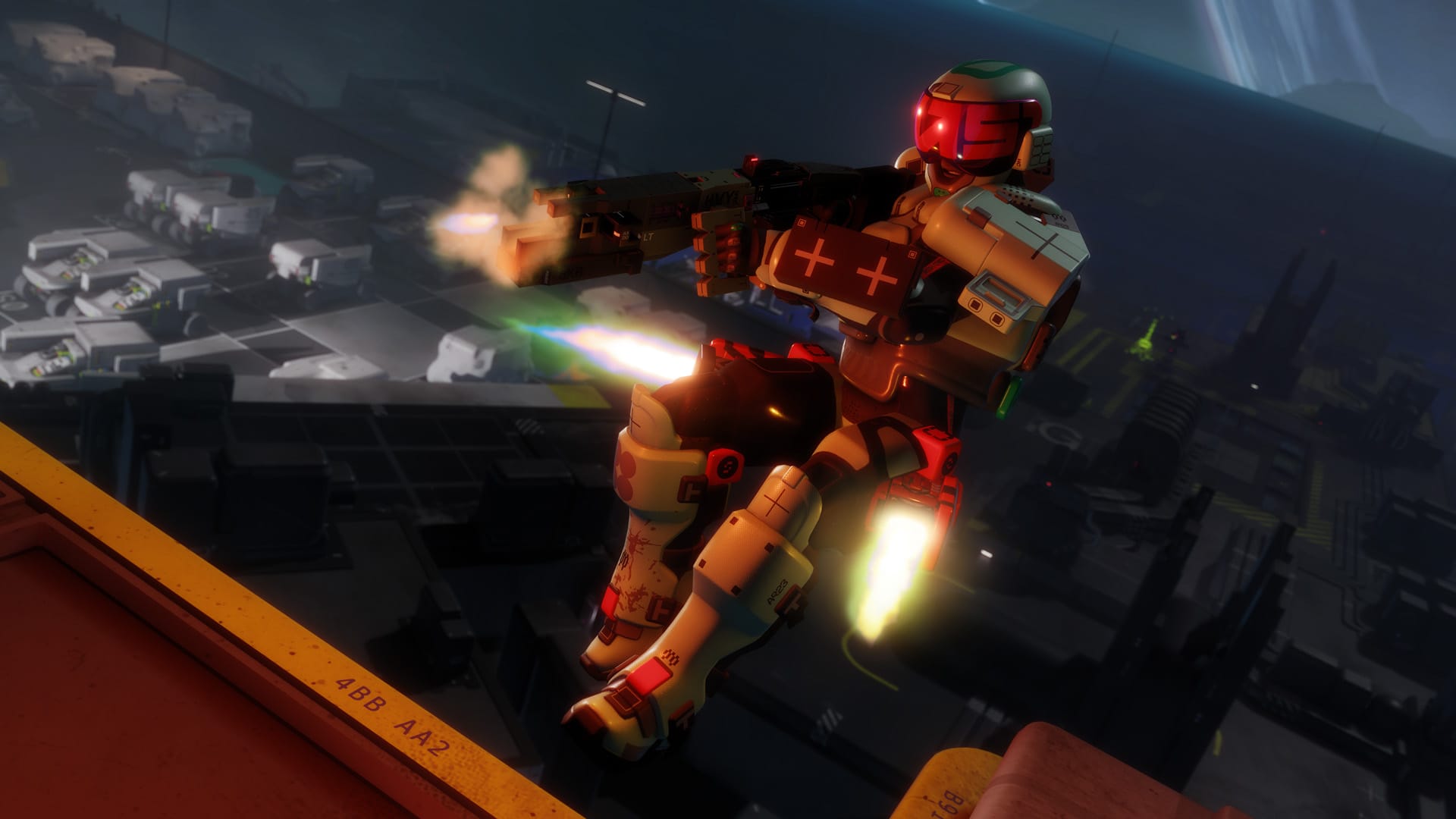
I feel like the reaction to Shells by some has to been to label them as Heroes as if to call this a hero shooter, and I get it. But I think the distinction that I would like to state is that Shells feel like playstyle and approach that is flexible and changing depending on the objective of your run, they're each vital in one way depending on what you're trying to achieve, and each shell fits the loop of Marathon really well.
End Game
At the time of writing this review, the End Game content is still fairly fresh in terms of how it functions with two different modes being that will be the base for Marathon's end game for the next two months to till the next season, and that will be the introduction of Ranked Mode and the fourth and final map for the games release and season 1 content, Cryo Archive. Both of these modes, are team-based only with no solo queue which for ranked I do feel sucks as a solo-player, and is something in future seasons I do hope they consider including, considering it is a large chunk of how I've played and learnt to play Marathon. The second activity is Cryo Archive a map that keeps the extraction roots and design of the other maps, but feels like a massive multi-layered labyrinth full of puzzles, that are designed to test and challenge squads of players, in a similar manner to the raids you would find in Destiny. This activity has squad fill, and comes with a gear ante, meaning that you will need to enter this activity with a loadout, that is valued at at least 5000 credits to take on the activity. Another requirement is that you'll need to be level 25, meaning you'll need to at least have racked up 30-40 hours with the game, before entering this end-game zone. The Cryo Archive is also an activity that is only available to participate in during weekends, with what I perceive the design intention loop wise to be, build up your loadout and gear on weekdays, and enter the vault on weekends.
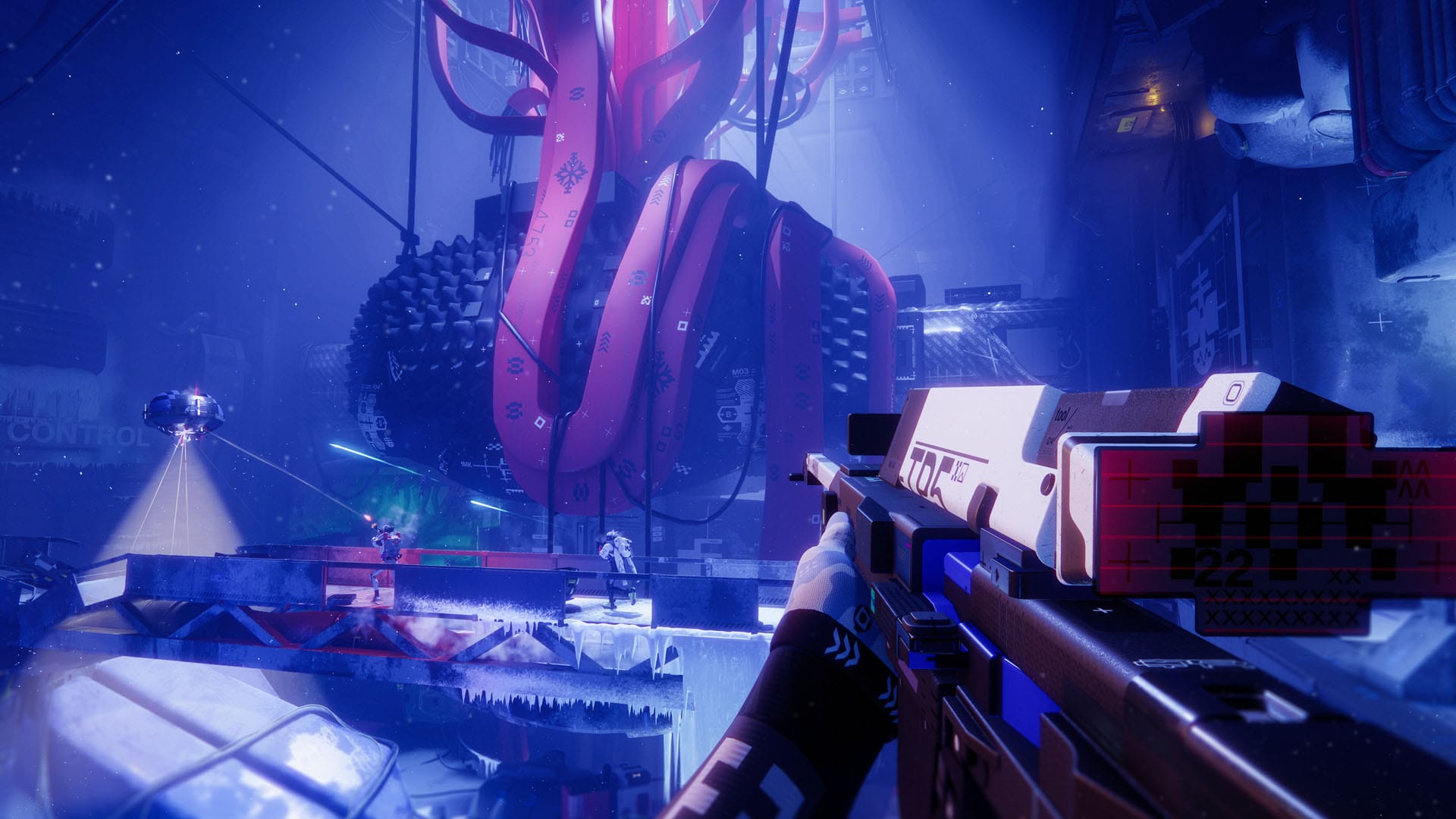
I'm yet to properly explore the Cryo Archive myself, but am looking to queue up with players in matchmaking as I am a solo-player and I haven't reached that level 25 to enter. But I will say that based on the feedback, and the day one trials to complete this mode, it does look like a challenging culmination of everything that Marathon's first three maps have been teaching you, packed into this one big labyrinth like experience, and I'm excited to get into this experience and see it for myself.
Game Systems
Factions and Contracts
Now I want to breakdown the different systems that underpin Marathon, beginning with Factions. In Marathon serve as two key components to the progression loop, the first being contracts, which are work as a quest structure with objectives to complete for a given run, which will reward you with a substantial amount of reputational points, that increase your standing with each given faction. There are two forms of contract that you can undertake, Primary contracts, which will push through the onboarding and loose narrative of each faction in Marathon, along with secondary contracts which work as repeatable tasks that help provide a clear objective to chase for a run, along with decent factional reward progression.
The second being upgrades which unlock permanent boons and benefits for all runners until the end of season wipe. Upgrading a faction, also comes with unlocks to what you can readily purchase from their armory, meaning that better gear and mods become readily available to you, making the hit of dying in a run become less of a grind to build back into as the season progresses. The throughline and progression hook, is that you're always trying to complete contracts, increase your standing, unlock new rewards, both in terms of upgrades and the armory, helping to both build the best kit for each runner, and soften the blow when you do come back from a lost run.

One thing that I do wish Marathon dived more into was unique mission structures and quests with these factions that felt like they fleshed out these corporations, their involvement and the overall narrative more distinctly, through the gameplay. The codexes are interesting and do contextualize many things, along with helpful information you can bring into the world. But for an art-style and sound design this beautiful, I do wish it got more narrative screen-time. Bungie are including this for one of the factions, but I would also like to see for unlockable skins and cosmetics for each runner that are tied to the color-coding of each of these factions too. I know we currently have some already for most factions, but something that shows off the VIP flare, would be a fantastic cosmetic inclusion to those dedicated players. It's a small thing, but something that as an unlockable for getting VIP status with a faction would serve as a substantial reward for that time investment.
The Resource Economy and Gear Fear
The resource economy and how inventory, credits and salvage all interplay with the factions, and chase of each run. So when diving into a run of Marathon there are three different groups of items that you'll broadly speaking, be looking for. The first category is salvage, these are items that will automatically be sold for credits after Exfil, then there is materials that are used for upgrades and progression with factions. Lastly there are weapons, tools and mods which are used to spec and build your runner.
Many of these items come in different tiers of rarity with grey being the common tier and yellow being Pinnacle rare gear. The gear rarity can impact many factors for salvage it impacts how much it is sold for, there are higher rarity materials, which we'll be harder to track down, but unlock better rewards for each faction.
Then there are your weapons, which operate in an interesting manner. The rarity of your weapons and its values, aren't fixed, they rarity is governed by its rarity of mods equipped to that weapon. There are four different groups of mods you can have equipped. You'll have chip-mods, these apply a perk-style effect to your weapon, like you see with weapons in Destiny, with effects like dealing damage recharges shields. The second is magazine attachments which increase magazine size, then there is optics and barrels which influence the reticle scope, and your handling of the weapon. Then lastly there are grip mods which improve stability and control.
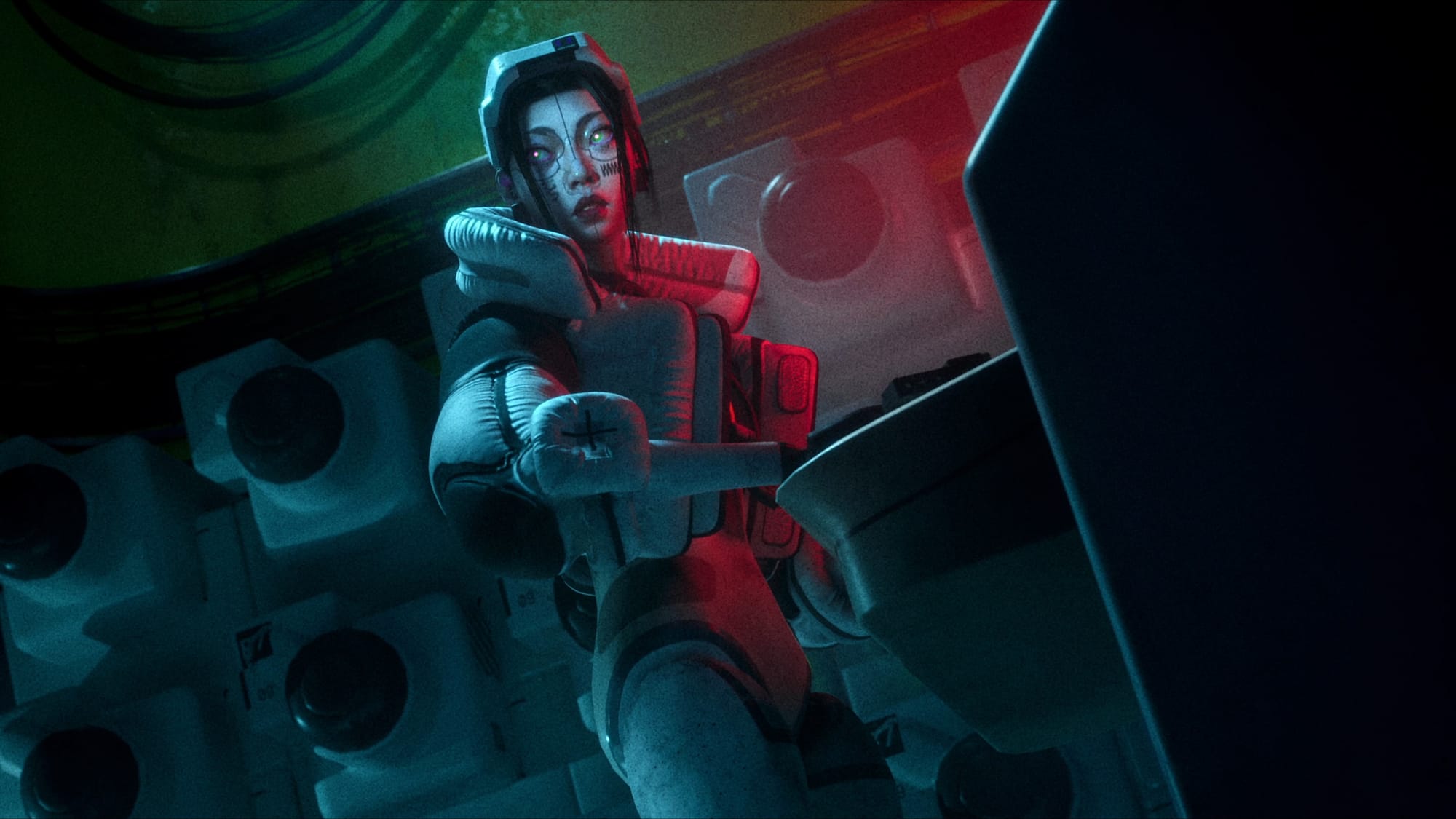
So the underpinning hunt once you come to grips with how each of the different categories of resources and their rarities work, you can begin to chase and factor this into the equation of where to look for these items, how to build your characters. If there is one fundamental feeling that is tied to the Resource Economy of any Extraction Shooter, it will typically be the sense of Gear Fear that comes with putting your most valuable gear on the line to use. I feel like in Marathon, the approach to overcoming ones Gear Fear, feels embedded in the games underlying design philosophy, and is a mandatory reality that some are going to have to face for late game content.
But Marathon tackles Gear Fear through many different methods, that all tie into the inevitability of dying, and learning. Before tackling how they handle Gear Fear, I want to first touch on what exactly Gear Fear is. In it's most basic form, Gear Fear serves as the concept of acquiring good loot from prior runs, and never bringing it into future runs, because you run the risk of losing it all.
The way Marathon threads this is first of all how it approaches rarity for weapons, which are tied to the mods as we discussed earlier, not the intrinsic properties of the weapon itself. The next is through how it utilizes knowledge and rewards you for taking the time to learn maps, locations, and overall where certain items may be located. On top of all of this is the meta-progression that is in place from completing contracts and unlocking different upgrades with each faction. This will slowly open their armory up to you providing more gear for purchase, that can make the loss still feel impactful, but not as shattering to your time investment as it was in those early hours.
Lastly, seasonal wipes and gear ante both are in-game systems that mean even refusing to use your high-end gear is only handicapping yourself from end-game content, and it will be wiped at the end of the season. The purpose of Marathon's approach to gear feels like a complete antithesis to their other hit live-service Destiny. Where in Destiny you're god-rolling for the best weapon that will work and sit in your vault as a collectors item for eternity, Marathon urges you to use your entire arsenal and put every weapon you have to its fullest potential. The highest risks, net the highest rewards, and every major loss you take to your vault, so too comes another lesson at how to improve and build back to greater heights.
You Have Been Lied to About Marathon
You have been lied to about Marathon. At its core, Marathon's biggest enemy isn't bad design it's bad faith. So let's kick this off by establishing some facts and some context.
Marathon's development, from the information that we have, does sound like it had undone iterations and the game had seen its fair share of rocky moments. There was the mixed reception to the alpha that many got to play around late April and early May of 2025. Then there was the plagiarism scandal where an artist by the moniker Antireal had their artwork used in Marathon without any commission or permission a scandal that as of December 2025 has been settled, with Antireal credited in the full game. This feedback and scandal would see the initial release of September 2025 pushed into March 2026, a decision that I feel saved the game drastically, and is a genuine mistake on Bungie's end worthy of scrutiny. These are valid criticisms, and I think it's important that I lay them out before what I'm about to say next, because the B-side of this video is not about shielding Marathon from criticism. It's about the nature of that criticism.
Because fast forward to 2026, and observing Marathon, I too was on the fence. Questions sprung to mind about whether Bungie could deliver, and to my surprise, as the A-side of this video should tell you, it absolutely did. But that feeling seemed to not be shared by everybody, and the moment I acquainted myself with the online discourse, it became clear that people had it out for Marathon before they ever gave it a fair chance.
The thesis of this section is simple: whilst many can understandably walk out of an extraction shooter saying "this isn't for me," to walk out of it calling it poorly designed, wishing ill-will on the studio, and deeming it a flop, reads as disingenuous. We would absolutely call this out if an influencer called Elden Ring badly designed because it wasn't built for them, and Marathon is a similar case. The extraction shooter genre is niche and demanding by nature. Marathon is not ARC Raiders. It's hardcore, and appeals to a specific audience, and the people walking away saying "this isn't for me" are not the people this section is directed towards.
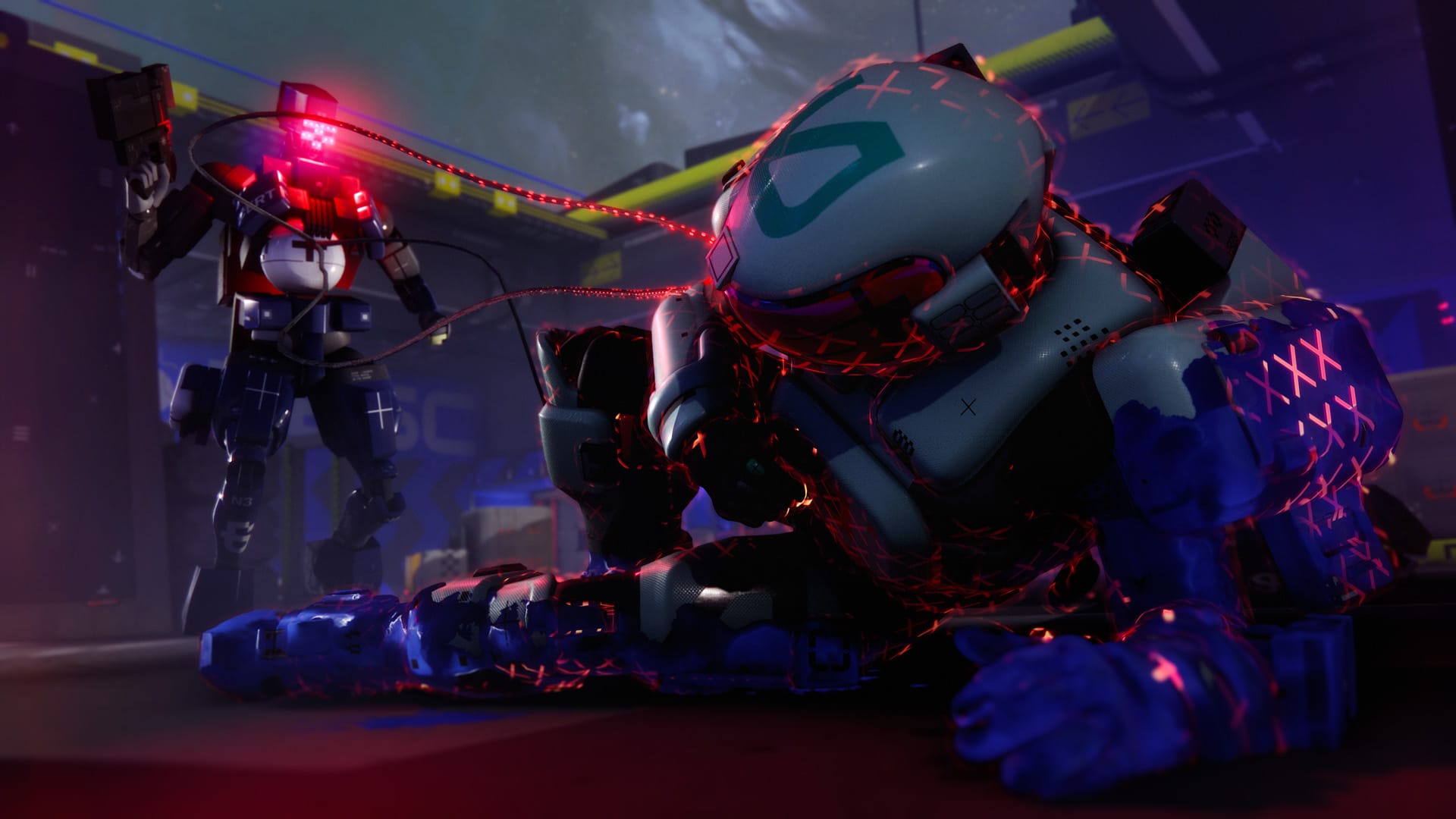
It is directed at the performative grifters who barely put any hours into the game, who stir up bitterness to capitalize and get clicks off a video game they otherwise never would have touched. These aren't reviews. These aren't impressions. The verdict is a foregone conclusion, and if you're only playing a game for an hour and picking it apart from the outset, then your review was decided before it began and lacks the integrity to be considered critically. Many of us gamers love to hold critics to a standard, like the infamous "too much water" comment. But when I see critiques for Marathon carried by that same energy surface-level complaints from people who haven't engaged with the systems long enough to understand them the double standard becomes hard to ignore. It's my position that in this age of online media, even smaller creators like myself should carry some level of accountability and diligence to deliver an honest and fair assessment of what we play, especially if we're scoring or influencing your purchase. We may not be part of a major outlet, but for many influencers it is a job, there is a paycheck at the end of it, and algorithms, zeitgeists and hype dictate how much that check can clear for.
Then there's this narrative being spun that Marathon is half a game that Outpost dropping the day after release, and Cryo Archive launching two weeks after launch, is an indicator the game is unfinished. But when you look at the picture more carefully, Cryo Archive has a massive ARG and community puzzle that is being worked to unlock this map, and as of the time of writing it is set to release any day now. It isn't a matter of unfinished content. It's an in-game event unfolding and expanding alongside the game's release. It is like calling an MMO incomplete because the raid wasn't available on day one. And four maps at launch? That's the same amount ARC Raiders shipped with. To claim Marathon is unfinished feels disingenuous when the context tells a different story.
So the central point I want to leave you with is this: Marathon isn't perfect, but the discourse around the game has a large portion of the conversation being carried by people who will use vapid terms like "slop" to define it, but never answer with any substance what actually makes it bad. When SteamDB charts and player count graphs matter more than the actual game in question, you really ought to question the nature of the conversation. You're welcome to provide valid critiques and things you dislike about Marathon in the comments, I welcome those conversations, and if it isn't for you, I think that's totally fine. But if the release of Marathon has opened my eyes to anything, it's that there is a subsect of commentators who will tear something down for clicks and revenue, not for their love of gaming. And if I can urge you to take away one thing, it's to look behind the intention of a review — because every review carries an intention, and hopefully if you've made it this far, you're able to understand mine.
What Can be Improved
Now onto the side of the video where I am critical of Marathon itself, what I feel could be improved, and what elements I feel could be built-on over the course of the year. I think firstly, it is commendable how responsive Bungie has been to a lot of the feedback from fans, and I think that it is a good sign of the heights this game can reach in the future. I feel like many forget that Destiny 1 initially launched in rough state, where Bungie spent a year turning that game around to a place that it needed to be, and this may be a bold claim, but Marathon at launch is in a far better state than both vanilla Destiny 1 and 2, and has a much more coherent foundation and vision I can see the future of Marathon being built off.
But where it is at now, I do think one of Marathon's biggest weaknesses is the poor onboarding for new players. There is an allure to figuring out the maps of Tau Ceti IV and I'm not saying to spoon-feed us everything, but a more clear tutorial that guides you through the key pillars of a run, from spawn to extraction in a micro-tutorial, something akin to ARC Raiders, I think it would familiarize players and give them an understanding of the core mechanics.
The second inclusion that I think would be welcomed is the inclusion of a practice range, where you're able to play around with the kit of each shell, and use the most basic variants of the weapons available in the game, so you can get used to how they function and fire, play around with drop-offs and things of this nature. It'd also provide a clearer sense of clarity on what kinds of weapons you may want to chase more as well.
The UI is another factor of the game that I do think could see a touch up with some clarity that makes things more clearer with sections coupled or mapped together and I feel having the armory on the main menu under loadout would be better, than going into loadout, or into factions and having to access the armory that way. Another UI and interface improvement that I would suggest is, when viewing unlockable items like Shell or weapon skins, the view source takes you to the Codex, it would be better if it took you to the specific page or challenge to see how to unlock this item.
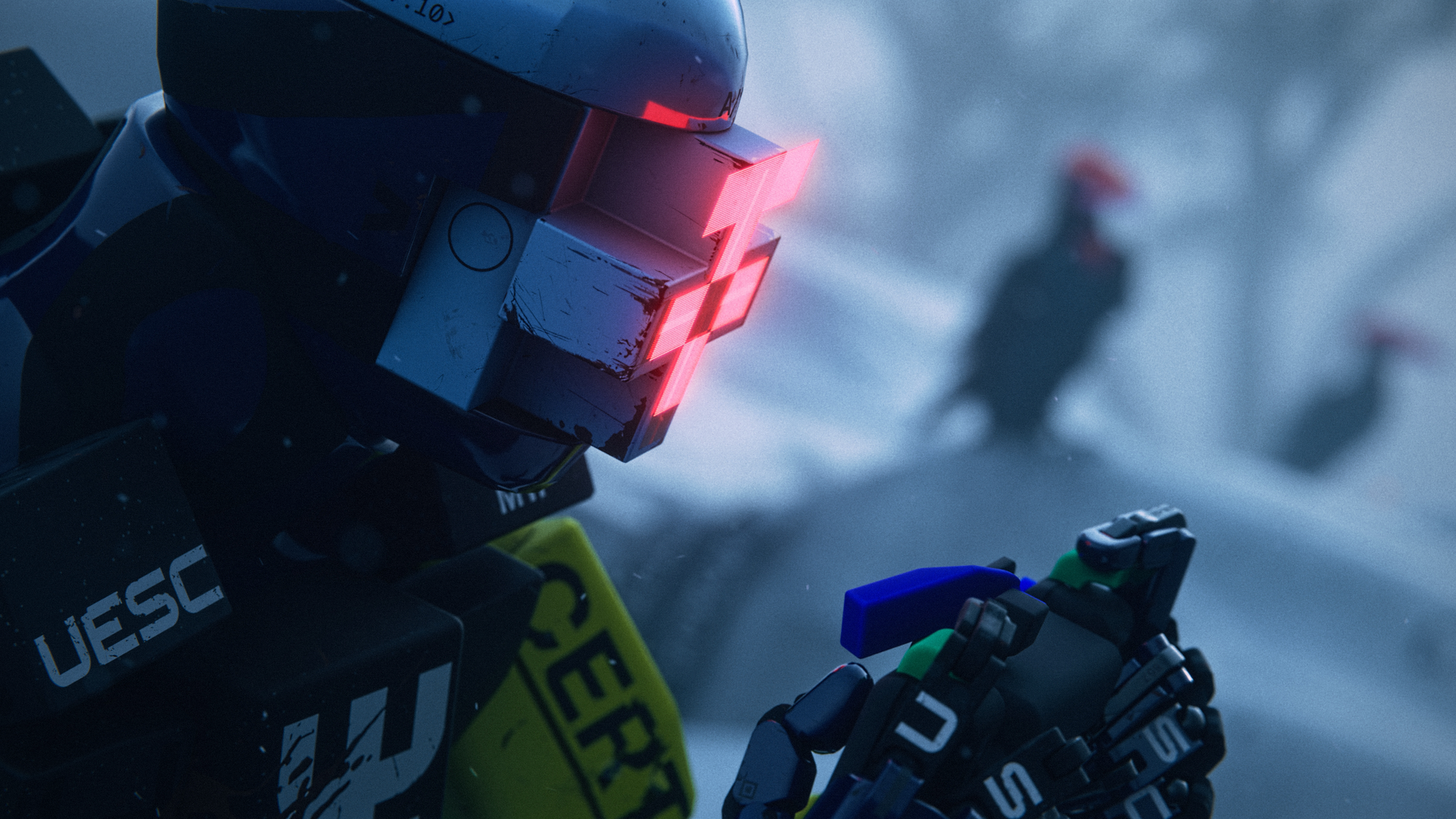
There are many things on the narrative front that I do feel could build upon where the Cryo-Archive story has left Marathon and one thing that I do think can be improved upon in future maps and even additions or events to current maps, is enemy variety. One point of criticism for Marathon is that it is lacking many of the iconic enemies found in the original trilogy, and I hope that these enemies or new different enemies outside of UESC robots, do come to the forefront. This is an issue that Bungie has had in the past with Destiny, where the same four factions of enemies were the rotation for a decade and I hope that they take a different approach here in Marathon.
Another thing that I mentioned in the End Game content section is ranked, and I hope that Bungie consider the addition of a Solo-Queue ranked mode, as myself and many others do play the game this way, and it does have a shift in terms of how the experience plays out. I think the solo-queue experience would lend itself well to competitive play.
Visuals, Sound and Performance
Visuals
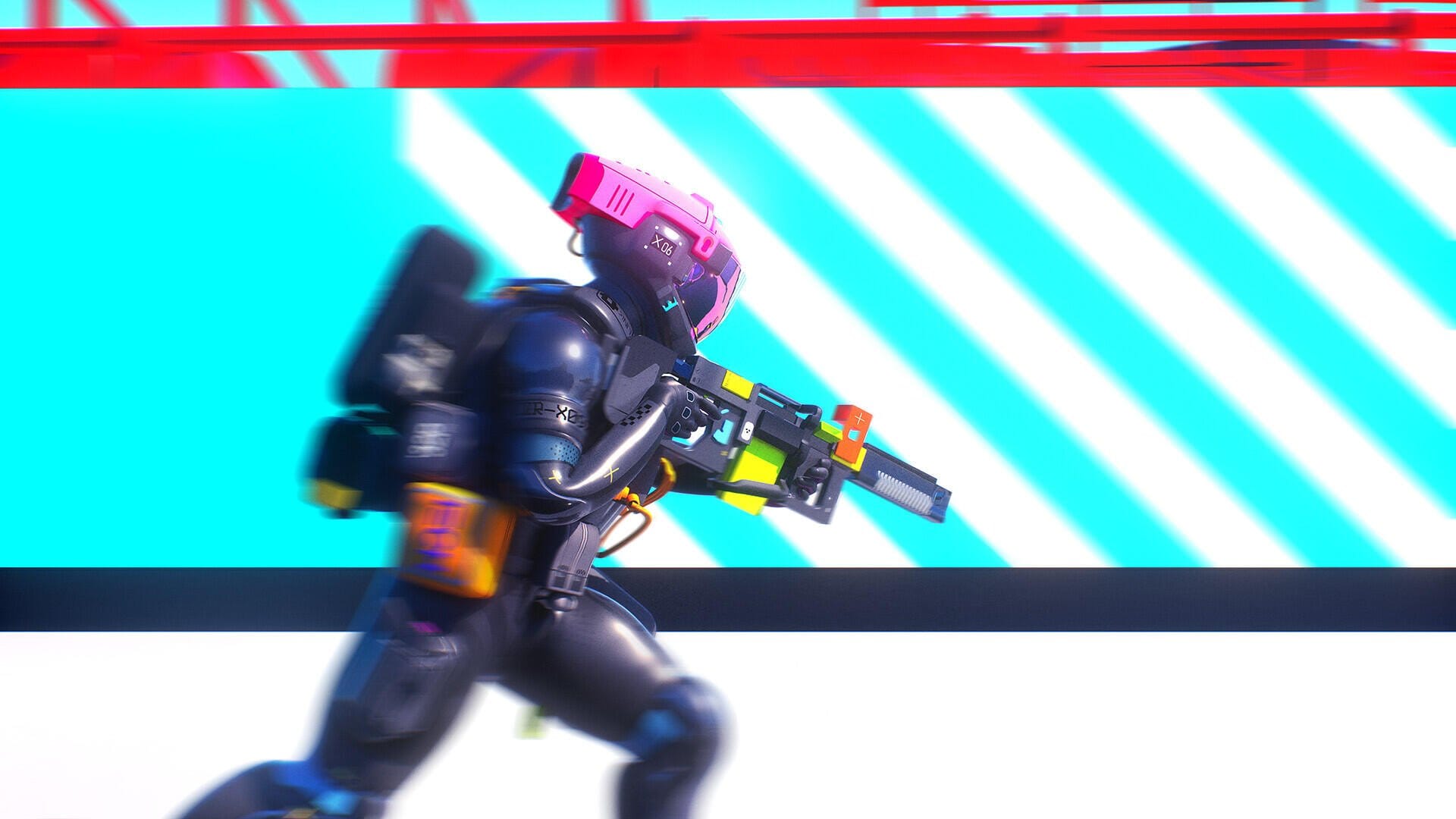
The first thing that anyone who looks are Marathon will generally comment on is its bold artistic direction, something that Bungie's Art Director Brian Vinton has been calling "Graphic Retro Futurism" which is serves as this blend between retro roots, modern technology with many referring to this art-style as Graphic Design meets Y2K Cyberpunk. It's something that I absolutely love about Marathon, and I do think is one of the core pillars of this version of Marathon's personality.
I've personally always felt in a weird way that Marathon reminded me of Metal Gear Solid 2, and it was a source of influence along with games like Mirror's Edge, the original Marathon trilogy and Wipeout which is what former art director Joseph Cross would mention on a twitter post. There are some who will find this bright color palette to be a little too in your face during gameplay, and I get it, but for me I think that as you progress and become more acquainted with this game, the landmarks, the structural layouts and designs of these areas, particularly in the later maps, do articulate and show the intentionality of this design much clearer. Even to me, Perimeter and its landmarks feel identifiable from a distance, the map's layout and construction does feel varied that after awhile you're moving off memorization along more than consulting a map for references.
Then there are the Shells the designs for each of them feels unique, identifiable, and stylistically cohesive with their role. There are so many little details that are nested into these characters too, like Triage when he throws out his little bot to heal players, the bot will have a smile when the heal reserves a high and a frown when they're low, or Recon's helmet opening for her Prime ability. The UESC also are designed in a way that clearly defines what tier of enemy you're generally facing as well, with grenadiers having a bulkier build, standard enemies having a smaller build and commanders being fast agile with sigils hanging off their back and turning invisible.
There is so much information in a visual style that is built around simplicity, and that is one of the more substantial achievements I think Marathon has been able to accomplish with its world design.
Sound
The visual design is something that is highly regarded as one of the points of Marathon, that many even those who don't click with it absolutely love, but the soundtrack, and overall sound design for Marathon can't go unnoticed. The soundtrack is absolutely phenomenal, I love the lobby music feeling both haunting and isolating, yet weirdly comforting as you assemble your loadout and venture forth into another run. There are many different tracks in this game that are so cohesive with its visual aesthetics that it makes everything feel holistically unified in this dark grim-ScFi future.
The sound design for Marathon is absolutely incredible, the amount of distinct sounds that are used and the information that they convey to the player of their surroundings feeds back into the sense of atmosphere in each of these maps that feels alive and ever moving and evolving. These sounds are another element that factors into your sense of mastery of the world, how you gain insight into other players position and how you avoid giving away your own. For example, observing footsteps you'll be able to assess whether someone is above or below you, and the footsteps themselves are different between UESC and players informing you of what type of firefight you're walking into. You can even hear players trigger abilities like the Assassin trigger their camo if you listen in and are close enough.
Marathon's sound design is as pivotal to the information that you obtain, as the visuals that you are identifying on your screen. Sound is a factor that makes you conscious of every decision that you make, as actions like opening doors, engaging in combat with UESC or running around, can alert enemy runners to your position. It feeds into the constant game of knowledge acquisition, the ethos of the Marathon experience, and as you understand the maps to a greater degree, so too will you understand how to utilize sound and the way you engage with it.
Performance
The performance for Marathon in my time playing the game has been solid, I have encountered zero game-breaking bugs, I have been playing the game on PC running a 4080 Super and the framerate is stable and overall the fidelity and in-game quality holds up with no in-game bugs with mess with lighting or textures popping in. The worst bugs that I have encountered is one UESC NPC who was frozen, which is a one-off issue. All of this to say that my experience with Marathon performance wise has been solid, and if there is one caveat that is worth mentioning because it does matter to people. In order to play Marathon you will need to install BattleEye Anti-Cheat which does have Kernel level access to your PC. But overall performance wise, is all round as solid as the visual and sound design.
Conclusion
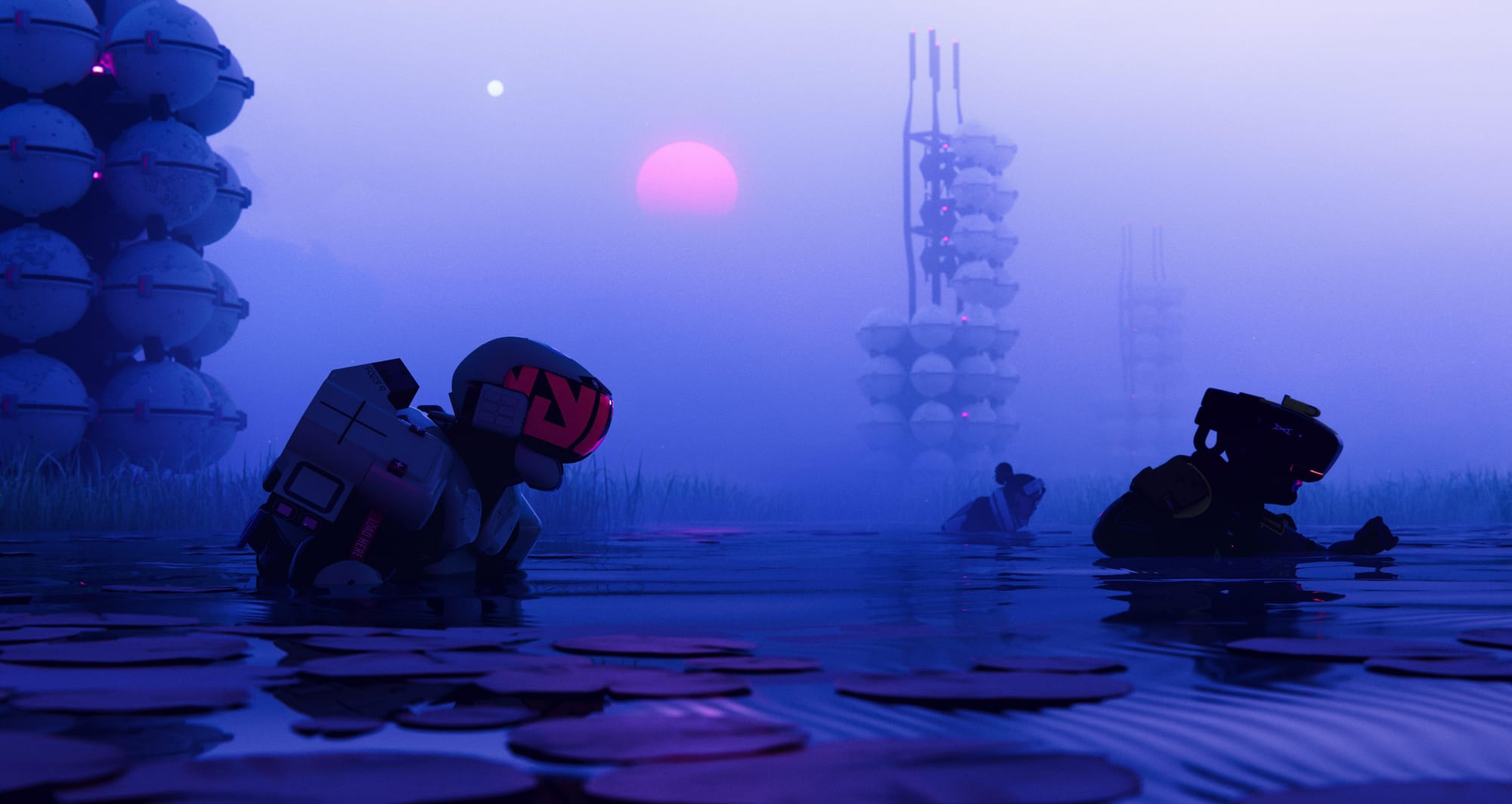
Bringing this whole video collectively together into one cohesive thesis, Marathon isn't a Concord tier failure, it's a challenging Extraction Shooter that has some of the most rewarding highs, that are derived from your inner-growth and improvements. The acquisition of knowledge of maps, your shells, and how the many different tools sitting in your vault operate. It has a distinct vibrant neo-futuristic art style wrapped in a merciless world that is Tau Ceti, that becomes a character in of itself, and one that you will learn and understand, the more you explore and navigate its various maps and topography.
Marathon's a game that encourages you to risk your gear, embrace death and utilize death as your teacher, your gateway to success for the future runs to come. I think that is what I love about Marathon, and one element that separates it from Destiny to me. Destiny is a pursuit of good loot, decking out your guardian, becoming an absolute deity within this world. Marathon feels like the antithesis of this, gear is not permanent, your power is not permanent, runners are fickle, you will die, and you will have to rebuild. But each loss, gives way to a new lesson that paves the way for the extreme and highest of highs, and that underlying heartbeat is what keeps me coming back.
No matter what people want to paint Marathon as, I ultimately feel there are fair criticism that can be levied, but malicious commentators who are jumping on a bandwagon to smear this game, aren't the voices of reason they claim to be, and as I stated earlier if I invested 30 minutes into Elden Ring and called it badly designed, because I didn't take time to learn its systems or explore its world, you'd call me an idiot, and that's my point.
But ultimately at the end of the day, through all of this I hope that Marathon not only survives as a live-service game, but thrives and evolves, because there is something really special in this game, and a lot to love about it, if you're willing to invest the time, and accept what it is, on its terms. I love Marathon, I see the potential, and hope that it evolves, and surprises everyone.
Thank you for watching